
 Gabriel S. Araujo1,2
  , Guilherme Loyola da Cruz2,3, João Luiz Gasparini4,5, Fabio Di Dario5 and Hudson T. Pinheiro2
PDF: Download Here | Supplementary: Sup | Cite this article
Section Editor: Luiz Osmar
Editor-in-chief: José Birindelli
Abstract
Gobioclinus kalisherae é um peixe recifal criptobentônico distribuído pelo Atlântico ocidental, da Flórida (EUA) ao sul do Brasil. Neste estudo, revisamos a validade taxonômica da espécie usando uma abordagem de taxonomia integrativa que combina informações do gene mitocondrial citocromo oxidase I e morfologia (dados merísticos e morfométricos). Os resultados indicam que G. kalisherae compreende, na verdade, quatro linhagens distintas, das quais duas são descritas como novas espécies. Com base em nossos resultados, G. kalisherae é restrita ao Caribe central e à Flórida. Outra linhagem críptica de Trinidad e Tobago é identificada, a qual ainda precisa ser formalmente descrita. Isso eleva o número de espécies válidas de Gobioclinus para nove. Padrões de divergência sugerem que a barreira Amazonas-Orinoco e o isolamento de ilhas oceânicas desempenharam papéis-chave na diversificação de Gobioclinus no Atlântico Ocidental. Estruturação genética adicional dentro de G. guppyi também destaca uma diversidade negligenciada no Grande Caribe. Nossos achados reforçam a necessidade de reavaliações taxonômicas e esforços de conservação focados em peixes recifais criptobênticos, particularmente em regiões pouco estudadas, como a Província Brasileira.
Palavras-chave: Barreira do Amazonas-Orinoco, Biogeografia, Ilhas oceânicas, Espécies crípticas.
Introduction
The Labrisomidae is a family of cryptobenthic reef fishes (CRF) restricted to the shallow waters of the Atlantic and eastern Pacific oceans. Most of its species are found in American waters, where it has an extraordinary degree of endemism, with only three out of 130 currently valid species occurring outside the region (Hastings, 2009; Fricke et al., 2025). One of its genera, Gobioclinus Gill, 1860, comprises species inhabiting shallow tropical and temperate waters of the Americas, in both the eastern Pacific and western Atlantic. Two comprehensive taxonomic revisions of the tribe Labrisomini, conducted in the mid-20th century, classified Gobioclinus as a subgenus of Labrisomus Swainson 1839 (Hubbs, 1953; Springer, 1959). However, Springer (1959) emphasized pronounced differences between these subgenera, such as the reduced number of lateral line scales in Gobioclinus (≤ 55, except in Gobioclinus dendriticus (Reid, 1935) from the Pacific, which has > 55 lateral line scales), and the relative size of the penultimate dorsal-fin spine, generally shorter than the last in Gobioclinus, and about the same size as the last in Labrisomus. Springer (1959) also remarked that such distinctions might prompt other systematists to elevate Gobioclinus to the level of genus. This suspicion was confirmed by Lin, Hastings (2013) based on molecular data, who concluded that Gobioclinus is the sister group of Brockius Hubbs, 1953, whereas other species of Labrisomus sampled by them form a distinct group. Since then, Gobioclinus has been recognized as a genus, although the interrelationships among its members, as well as a comprehensive phylogeny of the Labrisomini, are still unknown.
Gobioclinus currently comprises seven valid species, six of which occur in the western Atlantic: G. bucciferus (Poey, 1868), G. filamentosus (Springer, 1960), G. gobio (Valenciennes, 1836), G. guppyi (Norman, 1922), G. haitiensis (Beebe & Tee-Van, 1928), and G. kalisherae (Jordan, 1904). A single species, G. dendriticus, is found in the eastern Pacific (Fricke et al., 2025). The genus has its highest diversity in the Greater Caribbean, where six of the seven species occur, four of which are endemic to the region. Two western Atlantic Gobioclinus species are also reported outside the Greater Caribbean: G. gobio, which has been reported from southeastern Florida (USA), Bahamas, and Yucatan (Mexico) to the Lesser Antilles, as well as in Rocas Atoll, Brazil (Pereira et al., 2023);and G. kalisherae, which is reported from Florida through the Greater Caribbean, and from Paraíba (northeastern Brazil) to São Paulo (southeastern Brazil) states in the Brazilian Province, and also the oceanic islands of Rocas Atoll and Fernando de Noronha Archipelago (Pinheiro et al., 2018; Carvalho-Filho, 2024).
The geographically broad and disjunct distribution reported for G. kalisherae is unusual, both when compared to the ranges of its congeners and to other western Atlantic CRF (Floeter et al., 2008; Pinheiro et al., 2018; Cord et al., 2024). Cryptobenthic reef fishes seems to be particularly sensitive to the Amazon-Orinoco barrier (AOB), which is formed by an extensive layer of freshwater and sediment that extends approximately 200 km into the ocean, forming the most significant biogeographic barrier between the Greater Caribbean and the Brazilian Provinces (Rocha, 2003; Araujo et al., 2022). The AOB functions as a porous biogeographic filter, being more permeable to larger-bodied species, such as Anisotremus surinamensis (Bloch, 1791), and Lutjanus jocu (Bloch & Schneider, 1801), while particularly effective in restricting the dispersal and genetic connectivity of small-bodied species such as G. kalisherae (Araujo et al., 2022). Springer (1959) found no morphological differences among specimens of G. kalisherae from the Greater Caribbean and the Brazilian Province, but he analyzed only two specimens from the Brazilian Province, both collected in the Fernando de Noronha Archipelago, among a total of 68 specimens of the species examined. To further clarify those taxonomic and biogeographic questions, here we integrate molecular and morphological data to test the possible existence of cryptic lineages in what is currently recognized as G. kalisherae, shedding light on this understudied CRF genus in the Brazilian Province.
Material and methods
Sampling, morphological and statistical analysis. A total of 19 specimens of Gobioclinus sp. from Fernando de Noronha, one from Rocas Atoll, and 42 from off the Brazilian coast were examined for meristic and morphometric information. Those specimens are deposited in the following collections: CAS, California Academy of Sciences, San Francisco; CIUFES, Coleção Ictiológica da Universidade Federal do Espírito Santo, Vitória; MNRJ, Museu Nacional, Universidade Federal do Rio de Janeiro, Rio de Janeiro; MZUSP, Museu de Zoologia da Universidade de São Paulo, São Paulo; NPM, Coleção de Peixes do Instituto de Biodiversidade e Sustentabilidade, Universidade Federal do Rio de Janeiro, Macaé; and ZUEC, Museu de Zoologia da Universidade Estadual de Campinas “Adão José Cardoso”, Campinas (Tab. S1). Counts and measurements follow Springer (1959). Measurements were taken with electronic calipers to the nearest tenth of a millimeter. As we did not have access to specimens from the Greater Caribbean, counts and measurements of G. kalisherae from this region were obtained from descriptions provided by Springer (1959).
A Principal Component Analysis (PCA) was used to investigate the morphometric and meristic patterns of the specimens examined. Measurements are expressed as proportions of standard length (SL) or head length (HL) (Tab. 1). The PCA was performed using the ‘prcomp’ function in R v. 4.4.1 (R Development Core Team, 2024) on a matrix of scaled (unit variance) elements of meristic and morphometric proportions. To identify the most influential anatomical variables, we selected characters with the highest loading values, as they contribute most to the variation in the principal components. The PCA included 14 specimens of Gobioclinus from Fernando de Noronha, one from Rocas Atoll, and 34 from the Brazilian coast. The first dorsal spine of one specimen and the middle pelvic ray of another specimen of the Brazilian coast were partially damaged and could not be measured directly on the specimens. These missing values were estimated using the multivariate imputation by principal component analysis approach, implemented through the functions ‘estim_ncpPCA’ and ‘imputePCA’ of the missMDA package (Husson, Josse, 2010).
TABLE 1 | Morphometric data of Gobioclinus insularis, G. urarita, and G. kalisherae.Range includes ten non-type specimens of G. insularis and 25 non-type specimens of G. urarita, in addition to holotypes and paratypes. Holotype values are given in parenthesis.
| G. insularis | G. urarita | G. kalisherae |
Standard length | 19.8–45.4 (35.5) | 44.7–90.9 (79.2) | max 68.8 |
Percentage | |||
Head length (% SL) | 30.0–38.9 (31.8) | 28.5–32.4 (30.1) | 31.5–35.8 |
Snout length (% HL) | 18.6–28.7 (25.7) | 22.0–32.0 (29.4) | – |
Snout length (% SL) | 5.8–9.6 (8.2) | 6.5–9.1 (8.8) | usually 7–9 |
Orbit diameter (% HL) | 31.8–37.5 (35.4) | 25.7–31.9 (28.2) | – |
Orbit diameter (% SL) | 10.1–13.1 (11.3) | 7.8–9.8 (8.5) | rarely <10 |
First dorsal spine (% SL) | 8.7–16.3 (13.8) | 9.1–14.2 (9.1) | usually >10 |
Inter-orbital width (% HL) | 8.6–14.7 (10.6) | 8.5–15.3 (10.9) | – |
Maxillary length (% HL) | 36.9–44.5 (44.2) | 46.0–61.5 (58.4) | – |
Maxillary length (% SL) | 12.1–14.3 (14.1) | 13.6–18.6 (17.6) | 15.1–18.9 |
Body depth (% SL) | 19.8–28.6 (21.7) | 16.0–23.3 (22.0) | – |
Caudal peduncle depth (% SL) | 6.5–9.5 (6.5) | 6.0–8.3 (7.3) | – |
Longest pectoral ray (% SL) | 19.1–27.3 | 19.2–27.4 (27.3) | – |
Middle pelvic ray (% SL) | 17.8–24.9 (21.4) | 16.4–24.8 (16.8) | – |
Molecular data. Genomic DNA was extracted from muscle or fin tissues of six specimens of Gobioclinus sp. from Fernando de Noronha Archipelago and 10 specimens from off the Brazilian coast using the Qiagen DNeasy kits (Qiagen, Inc.), following the manufacturer’s standard protocol. The mitochondrial cytochrome oxidase I gene (COX1) was amplified following protocols of Weigt et al. (2012). Electropherograms were checked and edited in SEQMAN (DNAstar Inc.). All sequences were deposited in GenBank (Tab. S1). The holotypes and some paratypes of both newly described species were sequenced and therefore represent genseq-1 and genseq-2 COX1 (Chakrabarty et al., 2013).
In addition, we obtained 77 sequences of Gobioclinus species from the GenBank and the Barcode of Life Data System (BOLD), including 17 sequences of G. kalisherae. Due to the taxonomic history of the genus, several sequences of Gobioclinus in genetic databases are still identified under Labrisomus. To address this issue and ensure taxonomic accuracy, we implemented an approach combining the BOLD identification tool (https://id.boldsystems.org/) with phylogenetic inferences, genetic distance analyses, and cross-referencing with identification provided by the online ichthyological collection records from which the sequences originated. This validation protocol was essential for the accurate attribution of sequences to their correct taxa (Tab. S1).
All sequences were aligned with Clustal W (Thompson et al., 1994) in the MEGA 7.0 software (Kumar et al., 2016). The Bayesian information criteria (BIC) from jModelTest v. 2.1 (Darriba et al., 2012) was used to determine the most appropriate model for the data sets for the subsequent analyses. The model chosen for COX1 was the HKY+G. We performed phylogenetic reconstructions in MrBayes v. 3.2.7a and BEAST v. 2.6.3 (Ronquist et al., 2012; Bouckaert et al., 2019). In MrBayes, we implemented an analysis with two runs of four simultaneous Markov Chain Monte Carlo for 30 million generations sampled every 3000 generations, with the first 20% of trees removed as burn-in. In the BEAST, the analysis was designed with the selected substitution models, strict clock, the Calibrated Yule Model, and a secondary calibration point considering the results of Lin, Hastings (2013), i.e., Gobioclinus + Brockius node with 32 million years [Myr] (Mean 32.0, Sigma v. 7.6). We ran two independent analyses, with 50 million generations. The analysis outputs were combined in LogCombiner (Bouckaert et al., 2019) and their resulting parameters checked in Tracer v. 1.7 (Rambaut et al., 2018), with values of estimated sample sizes (ESS) > 200 signaling convergence. The target tree was obtained in TreeAnnotator (Bouckaert et al., 2019), after discarding 20% of the first trees as burn-in. Haplotype networks were built with the TCS algorithm (Clement et al., 2000) in PopArt (Leigh, Bryant, 2015). Genetic distances within and among the primary clades were calculated in MEGA 7.0, based on the best-fitting substitution model. Lastly, we performed two lineage delimitation tests: the Bayesian Poisson Tree Processes (bPTP; Zhang et al., 2013), and the Generalized Mixed Yule Coalescent (GMYC; Fujisawa, Barraclough, 2013).
Results
All specimens identified as Gobioclinus kalisherae form a monophyletic group in the two phylogenetic analyses we implemented, with high support values (Figs. 1, S2). However, in both analyses, four distinct lineages were recovered: one comprising samples from the Fernando de Noronha Archipelago; a second including specimens from Trinidad and Tobago (Lineage A); a third including samples from the Brazilian coast; and a fourth lineage including specimens from Florida and Belize (Fig. 1). Since the type locality of G. kalisherae is Bush Key, Tortugas Archipelago, Florida, USA (Fricke et al., 2025), we refer to the lineage recovered in our analyses from the central Caribbean and Florida as this species.

FIGURE 1| Bayesian phylogeny of the genus Gobioclinus inferred from the mitochondrial cytochrome oxidase I gene. Inset highlights the four distinct lineages previously identified within G. kalisherae, along with the corresponding haplotype network. Colored circles indicate the geographic distribution of the haplotypes. Colored triangles represent the results of the lineage delimitation tests. Only ingroup taxa are shown, and nodes with posterior probability support > 0.85 are labeled.
The estimated divergence time among lineages previously included in G. kalisherae ranged from 0.75 million years, between the Brazilian coast lineage and G. kalisherae (sensu stricto, i.e., Florida + central Caribbean), to 1.93 million years between the Lineage A and other lineages (Fig. S2). Genetic divergence among lineages ranged from 0.8 to 3.3% (Tab. S3). Although all four lineages exhibited a high degree of support in both phylogenetic analyses, the position of the lineage from Fernando de Noronha and Lineage A was variable, with either the Fernando de Noronha lineage or Lineage A recovered as sister to the remaining lineages (Figs. 1, S2). Regardless of those results, G. kalisherae and the Brazilian coast lineage were consistently recovered as sister groups (Fig. 1).
The haplotype network is in accordance with both phylogenetic and genetic distance analyses, indicating four well-defined haplogroups. These groups are characterized by a lack of haplotype sharing and a clear biogeographic structure (Fig. 1). Additionally, a biogeographic partitioning of haplotypes was observed in G. guppyi, with two clear distinct haplogroups: one encompassing samples widely distributed across the Caribbean Sea and the other with samples from Curacao only (Fig. S4).
The two lineage delimitation tests recovered the Fernando de Noronha lineage and Lineage A as well-delimited lineages (Fig. 1). However, while the GMYC designated G. kalisherae and the Brazilian coast lineage as distinct, the bPTP designated both as a single lineage (Fig. 1). This latter result may be due to a relatively recent fragmentation process, as suggested by the estimated divergence time and the genetic distance observed between these lineages.
Systematics
Gobioclinus urarita Araujo, Loyola da Cruz, Gasparini & Pinheiro, new species
urn:lsid:zoobank.org:act:AB2D26F0-85D6-4DFD-8EE1-82E0774B5876
(Figs. 2, 3A–B; Tab. 1)
Labrisomus kalisherae. —Sazima et al., 2002:129 (list of comparative specimens, Brazil).—Menezes et al., 2003:95 (list of species, Brazil). —Rocha et al., 1998 (new record). —Sazima et al., 2009 (list of comparative specimens, Brazil).
Gobioclinus kalisherae. —Lin, Hasting, 2013:12 (genus reallocation). —Gasparini, 2017:127 (biological traits, Brazil). —Cruz et al., 2022:81 (list of species, Brazil). —Pereira et al., 2023:129 (biological traits, distribution, conservation status, Brazil).
Gobioclinus aff. kalisherae. —Carvalho-Filho, 2024:224 (anatomical description, geographic distribution, Brazil).
Holotype. MZUSP 130930, 79.2 mm SL, Brazil, São Paulo, São Sebastião, Arquipélago de Alcatrazes, Funil, ca. 24°05’S 45°41’W, 27 Mar 2025, G. S. Araujo, G. Loyola da Cruz & H. T. Pinheiro.
Genseq-1 COX1. MZUSP 130930, tissue code HTP1276, GenBank accession number PX251952.
Paratypes. All from Brazil. Espírito Santo:CIUFES 540, 1, 56.1 mm SL, Guarapari, Ilhas Rasas, ca. 20°40’S 40°21’W, 30 Oct 2007, J-C. Joyeux, R. M. Macieira & V. C. Brilhante. CIUFES 806, 1, 67.7 mm SL, Itapemirim, Ilha dos Franceses, ca. 20°55’S 40°45’W, 7 Mar 2008, H. T. Pinheiro. Rio de Janeiro: CIUFES 1642, 1, 70.3 mm SL, Cabo Frio, Pedra Vermelha, ca. 22°54’S 41°59’W, 1 Aug 2000, C. E. L. Ferreira. São Paulo: CAS 152245, 1, 52.0 mm SL, MNRJ 55982, 2, 49.2–70.8 mm SL, Alcatrazes Archipelago, ca. 24°05’S 45°41’W, 9 Jun 2023, G. S. Araujo, H. T. Pinheiro & J. Marx. MNRJ 56059, 1, 49 mm SL, MZUSP 130935, 4, 50.1–81.1 mm SL, NPM 7711, 3, 47.0–51.7 mm SL, Alcatrazes Archipelago, ca. 24°05’S 45°41’W, 10 Jun 2023, G. S. Araujo, H. T. Pinheiro & J. Marx. MZUSP 13931, 2, 70.1–72.1 mm SL, same data as holotype.
Genseq-2 COX1. CAS 152245, tissue code HTP1123, GenBank accession number PX251958. MNRJ 55982, tissue code HTP1089, GenBank accession number PX251954. MNRJ 55982, tissue code HTP1088, GenBank accession number PX251960. MNRJ 56059, tissue code HTP1124, GenBank accession number PX251956. MZUSP 130935, tissue code HTP1085, GenBank accession number PX251953. MZUSP 130935, tissue code HTP1085, GenBank accession number PX251953. MZUSP 130935, tissue code HTP1087, GenBank accession number PX251955. MZUSP 130935, tissue code HTP1086, GenBank accession number PX251957. NPM 7711, tissue code HTP1125, GenBank accession number PX251961.
Non-type. All from Brazil. Bahia: ZUEC-PIS 8029, 1, 52.0 mm SL, Mata de São João, Praia do Forte, 12°34’S 38°00’W, Aug 2011, A. Carvalho-Filho. MZUSP 52268, 3, 33.3–50.2 mm SL, PARNA Abrolhos, ca. 17°58’S 38°42’W, I. Sazima, C. Sazima, J. L. Gasparini & R. L. Moura. Espírito Santo: ZUEC-PIS 3071, 1, 64.4 mm SL, Guarapari, Guaibura, ca. 20°40’S 40°29’W, 30 Jul 1996, C. Sazima, J. L. Gasparini & I. Sazima. ZUEC-PIS 3063, 1, 61.5 mm SL, Guarapari, Meaípe, Morro da Antena, ca. 20°40’S 40°29’W, 1 Aug 1996, C. Sazima, J. L. Gasparini & I. Sazima. ZUEC-PIS 3089, 1, 53.3 mm SL, Guarapari, Guaibura, ca. 20°40’S 40°29’W, 30 Jul 1996, C. Sazima, J. L. Gasparini & I. Sazima. ZUEC-PIS 3466, 1, 57.1 mm SL, Ilha Escalvada, Guarapari, ca. 20°42’S 40°24’W, 20 Aug 1997, J. L. Gasparini. ZUEC-PIS 4645, 1, 52.4 mm SL, Guarapari, Arquipélago das Três Ilhas, ca. 20°36’S 40°22’W, 24 Feb 2000, J. L. Gasparini. CIUFES 1425, 1, 51.0 mm SL, Guarapari, Arquipélago das Três Ilhas, ca. 20°36’S 40°22’W, 2 Jan 2003, J. L. Gasparini & P. Wirtz. CIUFES 242, 1, 52.5 mm SL, Anchieta, Naufrágio Guanabara, ca. 20°48’S 40°38’W, 17 Mar 2007, R. M. Macieira. CIUFES 1223, 1, 54.5 mm SL, Guarapari, Ilha Escalvada, ca. 20°42’S 40°24’W, 30 Jan 2008, J. L. V. C. Brilhante et al. Pernambuco: MZUSP 525257, 2, 33.2–34.4 mm SL, Tamandaré, ca. 08°45’S 35°05’W, 22 Mar 1997, R. L. Moura & M. C. M. Rodrigues.Rio de Janeiro: CIUFES 1349, 1, 44.7 mm SL, Angra dos Reis, Baía da Ilha Grande, Enseada de Itapinhoacanga, ca. 23°02’S 44°12’W, 1 Jan 1996, R. Z. P. Guimarães. MZUSP 46168, 1, 66.6 mm SL, Parati, ca. 23°10’S 44°42’W, A. Carvalho-Filho. São Paulo: MZUSP 52499, 1, 90.9 mm SL, Ubatuba, 23°31’S, Jul 1970, J. L. Figueiredo. ZUEC-PIS 9565, 1, 46 mm SL, Ilhabela, Ilha Vitória, Saco da Professora, ca. 23°44’S 45°00’W, 25 Jun 2000, A. Carvalho-Filho. ZUEC-PIS 11373, 1, 68.8 mm SL, Ilhabela, Ilha Vitória, Ilhota das Cabras, ca. 23°44’S 45°00’W, 10 Dec 2000, A. Carvalho-Filho. ZUEC-PIS 11337, 2, 58.1–62.8 mm SL, Ilhabela, Ilha Vitória, Ilha dos Pescadores, ca. 23°44’S 45°00’W, 31 Dec 2000, A. Carvalho-Filho. ZUEC-PIS 11131, 1, 53.4 mm SL, Ilhabela, Ilha da Vitória, Saco da Professora, ca. 23°44’S 45°00’W, 27 Jan 2001, A. Carvalho-Filho. ZUEC-PIS 11142, 3, 54.4–65.9 mm SL, Ilhabela, Ilha Vitória, ca. 23°44’S 45°00’W, 6 Jan 2001, A. Carvalho-Filho.
Diagnosis. Gobioclinus urarita is distinguished from G. guppyi and G. gobio by having two symphysial pores (vs. more than two); from G. haitiensis by having 12–14, usually 13, pectoral-fin rays (vs. usually 14); from G. bucciferus and G. filamentosus by having XVIII–XX, usually XIX, dorsal-fin spines (vs. usually XX); from G. dendriticus by having 51–55 lateral line scales (vs. 59–65); and from G. kalisherae by the orbit diameter shorter than 10% SL (vs. usually larger than 10% SL). Additionally, Gobioclinus urarita has a genetic divergence ranging between 0.8–3.0% in the mitochondrial COX1 gene when compared to other lineages of Gobioclinus from the western Atlantic identified herein (Tab. S3).
Description. Based on the holotype, 16 paratypes and 25 non-type specimens (frequency in parenthesis; morphometric data in Tab. 1). Body elongated, head broad, eyes large. XVIII(3), XIX(35) or XX(4) dorsal-fin spines, followed by 10(2), 11(38) or 12(2) dorsal-fin rays; II anal-fin spines, followed by 18(6), 19(34) or 20(2) anal-fin rays; 12(1), 13(40) or 14(1) pectoral-fin rays; lateral line scales 51(5), 52(18), 53(12), 54(5) or 55(2). Head length 28.5–32.4% of SL; snout length 22.3–32.0% of HL; maxillary length 46.0–61.5% of HL, usually reaching mid-orbit, rarely beyond. Four or more teeth present on each side of roof mouth, similar in size to anterior roof mouth teeth. 10(2), 11(15), 12(2) or 13(1) gill rakers on first branchial arch. Nasal cirrus arising from posterior border of anterior nostril tube, reaching posterior nostril when depressed; supraorbital cirri branches three to five over each eye; nuchal cirri 14–16 on each comb, 28–32 total, longest barely reaching dorsal-fin origin. Orbit diameter usually larger than snout length, and less than 10% of SL; snout usually less than 10% of SL. First dorsal-fin spine usually more than 10% of SL. Body depth 16.0–23.3% of SL; caudal peduncle depth 6.0–8.3% of SL. Longest pectoral-fin ray 19.2–27.4% of SL; middle pelvic-fin ray 16.4–24.8% of SL. Largest recorded specimen 90.9 mm.
Dorsal-fin continuous, notched between spinous and soft-rayed portions; posterior dorsal-fin spines gradually decreasing in length; soft-rayed portion with convex posterior margin, rays progressively shortening posteriorly. Caudal-fin truncate to slightly rounded; 11 segmented rays, preceded dorsally and ventrally single unsegmented ray. Anal-fin continuous; origin at level of descending segment of lateral line. Pectoral-fin elongate; median rays longest, posterior tip extending beyond vertical through base of third anal-fin soft ray. Second pelvic-fin ray longer than third, usually not reaching anus or anal-fin origin.
Body covered by cycloid scales, absent on head, pre-pelvic region, and immediate surroundings; breast and belly scales smaller than body scales. Lateral line complete, positioned high anteriorly, descending below 11th–13th dorsal-fin spines, continuing straight along mid-body posteriorly. All fins scaleless.
Coloration in alcohol. Background light orange to tan; pinkish tones of live specimens completely absent. Head uniformly beige to tan, lacking white, pinkish, and red pigmentation. Five to six dark vertical bars on flanks, extending from dorsal-fin base to abdominal region; two anterior-most bars often coalescent, remaining bars more distinct. Bars markedly darker than the interspaces, especially in paler specimens. Dark-bordered ocellus on lower opercle absent. Red spot on dorsal portion of pectoral-fin base usually absent, sometimes diffuse. Fins hyaline to light dusky; spinous and soft rays occasionally with small dark spots; interradial membranes transparent.
Coloration in life. Body background brown to dark olive, mottled with beige tones and diffuse pinkish areas (Figs. 2, 3). Five to six dark vertical bars on trunk and caudal peduncle. First bar immediately posterior to head, extending from dorsal-fin base to ventral midline; second bar below anterior portion of spinous dorsal-fin; third bar at midbody; fourth bar at posterior midbody; fifth bar on anterior portion of caudal peduncle; sixth bar on posterior portion of caudal peduncle. Bars broad, irregular; interspaces lighter, mottled. Vertical white stripe sometimes present between second and third dorsal-fin spines. Head pinkish, with diffuse white and red blotches. Eye dark. Opercle without dark blotch or with indistinct blotch lacking pale margin. Lips pale to brownish, weakly barred. Conspicuous red spot often present on dorsal portion of pectoral-fin base. Spinous dorsal-fin with alternating pale and dark brown bands, basal portion darker; soft dorsal-fin with rows of brown spots on rays and membranes. Pectoral-fin brownish, densely speckled with pale and dark chromatophores; pelvic-fin dusky, with scattered melanophores. Anal-fin brownish, diffusely pigmented. Caudal-fin pale beige to hyaline, with numerous small brown spots arranged in regular rows. Breeding males with intense cephalic reddening and nearly black body; females markedly pale, nearly white (Carvalho-Filho, 2024).
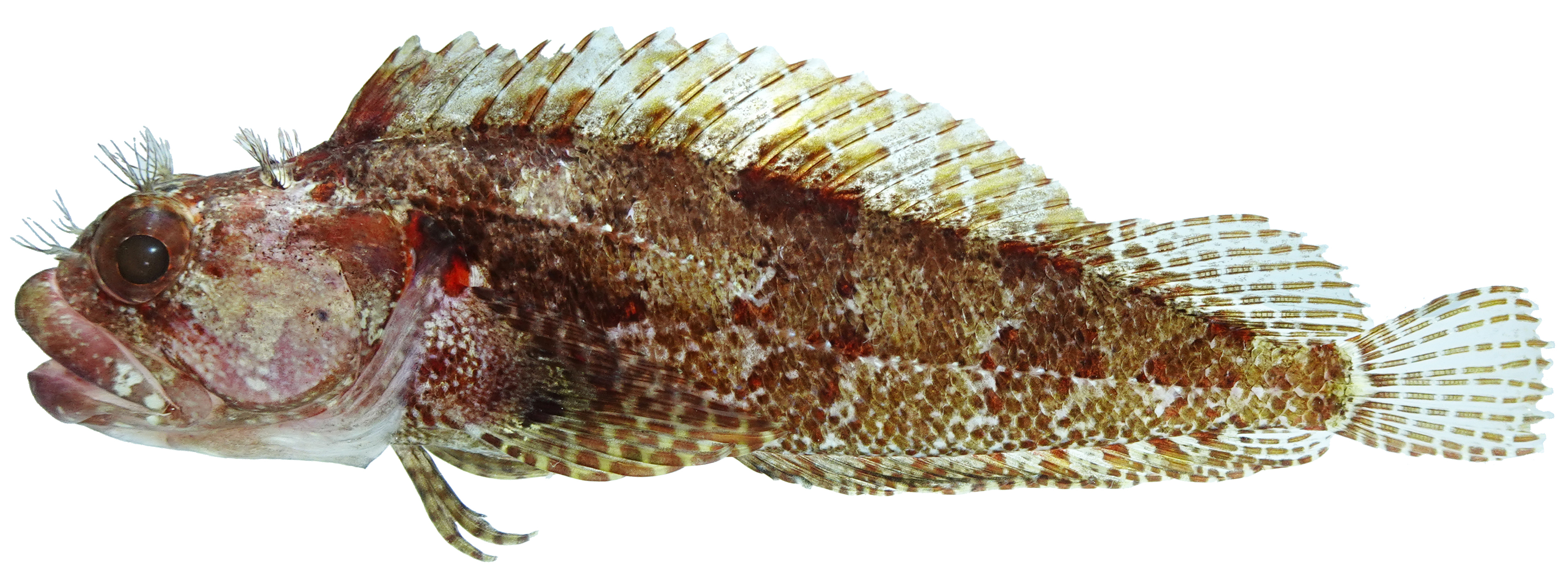
FIGURE 2| Holotype of Gobioclinus urarita, MZUSP 130930, 79.2 mm SL, Alcatrazes Archipelago, São Sebastião, SP, Brazil. Photography by G. S. Araujo.

FIGURE 3| Gobioclinus urarita in its natural habitat. A. Maragogi, Alagoas State, northeastern Brazil. B. Abrolhos Marine National Park, Bahia State, Brazil. Photographs by C. Sampaio (UFAL) and Ary Amarante (@aryamarante).
Geographical distribution. Gobioclinus urarita is currently known from off Paraíba (07°06’S 34°08’W) to São Paulo (24°06’S 45°41’W) states, Brazil (Fig. 4).

FIGURE 4| Geographic distribution of Gobioclinus kalisherae (green), Gobioclinus Lineage A (brown), G. insularis (orange), and G. urarita (blue) in the western Atlantic (left panel; A). Top right panel (B) highlights the type locality of G. insularis, while the bottom right panel (C) highlights the type locality of G. urarita.
Ecological notes. Gobioclinus urarita is a CRF species, with the largest recorded specimen measuring 90.9 mm SL. It inhabits depths ranging from less than one to 12 m, typically living in crevices and cavities within rocky substrates, rhodolith beds, and is frequently observed within the mounds and burrows of Malacanthus plumieri (Bloch, 1786). The species primarily feeds on small benthic invertebrates. Gobioclinus urarita is found in relatively high abundance in the rocky shore of the type locality, where it inhabits high complex microhabitats formed with rubbles and small rocks with high coverage of crustose coralline algae.
Etymology. The specific name urarita originates from the nomenclature used by the Tupinambá people, one of Brazil’s Indigenous groups, to refer to the principal island of the Alcatrazes Archipelago, the type locality of the newly described species. The term ‘Uraritã’ alludes to a prominent rock formation that rises from the ocean toward the sky. This site is a Marine Sanctuary protected by the federal government (ICMBio); it was awarded as a Blue Park by the Marine Conservation Institute in 2023 and was recognized as a new Hope Spot by the non-governmental organization Mission Blue in 2024.
Comon names. Alcatrazes Blenny (English), Maria da Toca de Alcatrazes (Portuguese, Brazil).
Conservation status: Gobioclinus urarita is a CRF species widely distributed throughout the Brazilian coast, with records from Paraíba to São Paulo states. The species is relatively abundant in rhodolith beds at its type locality and at Tamandaré (Pernambuco), Praia do Forte (Bahia), and Cabo Frio (Rio de Janeiro) (A. Carvalho-Filho, 2024, pers. comm.), but information on its abundance in other parts of its distribution are scarce or unknown. In addition, G. urarita inhabits mostly coastal environments located in close proximity to densely populated urban centers, which are impacted by significant anthropogenic activities. However, given the limited ecological and demographic data currently available, it is not possible to determine whether these impacts pose significant threats to the species. Therefore, G. urarita is provisionally classified as Data Deficient (DD) according to the International Union for Conservation of Nature criteria (IUCN, 2024).
Gobioclinus insularis Araujo, Di Dario, Gasparini & Pinheiro, new species
urn:lsid:zoobank.org:act:6E16CE27-167E-470F-B386-FD2E12CEFE0F
(Figs. 5, 6A–B; Tab. 1)
Labrisomus (Gobioclinus) kalisherae. —Springer, 1959:434–36 (two specimens from Fernando de Noronha, systematics and biogeography).
Labrisomus kalisherae.—Greenfield, Johnson, 1981:22 (geographic distribution, Fernando de Noronha Archipelago). —Sazima et al., 2002:129 (list of comparative specimens, Rocas Atoll).
Gobioclinus kalisherae. —Pereira et al., 2023:129 (biological traits, occurrence in Fernando de Noronha Archipelago).
Gobioclinus gobio —Carvalho-Filho, 2024:224 (anatomical description, geographic distribution, Fernando de Noronha Archipelago and Rocas Atoll).
Holotype. MZUSP 130932, 35.5 mm SL, Brazil, Fernando de Noronha Archipelago, Ponta da Sapata, ca. 03°51’S 32°26’W, 16 Sep 2024, G. S. Araujo, H. T. Pinheiro & J. L. Gasparini.
Genseq-1 COX1. MZUSP 130932, tissue code GSA 897, GenBank accession number PX251962.
Paratypes. All from Brazil. Fernando de Noronha Archipelago: CAS 152247, 1, 27.8 mm SL, MNRJ 55981, 2, 27.0–30.9 mm SL, NPM 7710, 2, 23.0–26.1 mm SL, Arquipélago de Fernando de Noronha, Buraco do Inferno, ca. 03°48’S 32°22’W, 16 Sep 2024, C. R. Hemingson, I. Bunholi & R. M. Macieira. CIUFES 2514, 1, 45.4 mm SL, CIUFES 2515, 1, 39.3 mm SL, Arquipélago de Fernando de Noronha, Ressurreta, ca. 03°51’S 32°26’W, 6 Apr 2013, R. M. Macieira & T. Simon. MZUSP 130933, 1, 44.5 mm SL, Arquipélago de Fernando de Noronha, Buraco do Inferno, ca. 03°51’S 32°26’W, 20 Sep 2024, G. S. Araujo, H. T. Pinheiro & J. L. Gasparini. Rocas Atoll: MZUSP 130953, 1, 45.7 mm SL, Reserva Biológica Atol das Rocas (ca. 03°50’ 33°49’W), 30 Jul 1995, R. Rosa & R. L. Moura.
Genseq-2 COX1. CIUFES 2514, tissue code GSA 552, GenBank accession PX251966. CIUFES 2515, tissue code GSA 553, GenBank PX251965.
Non-type. All from Brazil. CIUFES 2473, 1, 33.0 mm SL, CIUFES 2476, 2, 19.8–20.7 mm SL, Trinta Réis, ca. 03°49’S 32°26’W, 5 Apr 2013, R. M. Macieira & T. Simon. CIUFES 4037, 1, 32.8 mm SL, Buraco do Inferno, ca. 03°51’S 32°26’W, 19 Oct 2019, J. C. Joyeux, J. L. Gasparini et al. CIUFES 4004, 1, 25.8 mm SL, Ilha do Morro de Fora, Pedra do Peão, ca. 03°50’S 32°24’W, 18 Oct 2019, J. C. Joyeux, J. L. Gasparini et al. NPM 7718, 3, 30.1–39.2 mm SL, Arquipélago de Fernando de Noronha, Buraco do Inferno, 03°48’S 32°22’W, 16 Sep 2024, C. R. Hemingson, I. Bunholi & R. M. Macieira. NPM 7719, 2, 20.5–42.1 mm SL, Buraco do Inferno, ca. 03°48’S 32°22’W, 20 Sep 2024, G. S. Araujo, H. T. Pinheiro & J. L. Gasparini.
Genseq-3 COX1. CIUFES 4037, tissue code GSA556, GenBank accession number PX251963. CIUFES 2478, tissue code GSA555, GenBank accession number PX251964. CIUFES 2473, tissue code GSA551, GenBank accession number PX251967.
Diagnosis. Gobioclinus insularis is distinguished from G. guppyi and G. gobio by having two symphysial pores (vs. more than two); from G. haitiensis by the presence of 13 pectoral-fin rays (vs. usually 14); from G. bucciferus and G. filamentosus by having XIX dorsal-fin spines (vs. usually XX); from G. dendriticus by having 50–54 lateral line scales (vs. 59–65); from G. kalisherae by the maxillary length 12.1–14.3% of SL (vs. 15.1–18.9% of SL); and from G. urarita by the orbit diameter larger than 10% SL (vs. shorter than 10% SL). Additionally, Gobioclinus insularis has at least ~2.2% of genetic divergence in the mitochondrial COX1 gene when compared to the other lineages of Gobioclinus from the western Atlantic identified herein (Tab. S3).
Description. Based on the holotype, 9 paratypes and 10 non-type specimens (frequency in parenthesis; morphometric data in Tab. 1). Body elongated, head broad, eyes large. XIX dorsal-fin spines, followed by 11(18) or 12(2) dorsal-fin rays; II anal-fin spines, followed by 19 anal-fin rays; 13 pectoral-fin rays; lateral line scales 50(3), 51(6), 52(8), 53(1) or 54(2). Head length 30.0–38.9% of SL; snout length 18.6–28.7% of HL; maxillary length 36.9–44.5% of HL, typically reaching the posterior margin of mid-orbit. Two teeth present on each side of roof mouth, distinctly larger and spaced when compared with the anterior roof mouth teeth. 10(2), 11(9), or 12(1) gill rakers on first branchial arch. Nasal cirrus arising from posterior border of anterior nostril tube, not reaching posterior nostril when depressed; supra orbital cirri branches six or seven over each eye; nuchal cirri 10–11 on each comb, 20–22 in total, longest reaching dorsal-fin origin. Orbit diameter larger than snout length, and larger than 10% of SL; snout less than 10% of SL. First dorsal-fin spine usually more than 10% of SL. Body depth 19.8–28.6% of SL; caudal peduncle depth 6.5–9.5% of SL. Longest pectoral-fin ray 19.1–27.3% of SL; middle pelvic-fin ray 17.8–24.9% of SL. Largest recorded specimen 45.4 mm SL.
Dorsal-fin continuous, notched between spinous and the soft-rayed portions; posterior dorsal-fin spines gradually decreasing in length; soft-rayed portion with convex posterior margin, rays progressively shortening posteriorly. Caudal-fin truncate to slightly rounded; 11 segmented rays, preceded dorsally and ventrally by single unsegmented ray. Anal-fin continuous; origin at level of descending segment of lateral line. Pectoral-fin elongate; median rays longest, posterior tip extending beyond vertical through base of second anal-fin soft ray. Second pelvic-fin ray longer than third, usually not reaching anus or anal-fin origin.
Body covered by cycloid scales, absent on head, pre-pelvic region, and immediate surroundings; breast and belly scales smaller than body scales. Lateral line complete, positioned high anteriorly, descending below 11th–13th dorsal-fin spines, continuing straight along mid-body region. All fins scaleless.
Coloration in alcohol. Body pale yellowish to light tan. Dark vertical present, slightly faded. Head with mottled brown pigmentation. Opercular blotch distinct. Eye pigment faded. Lips pale, with faint remnants of barring. Spinous dorsal-fin with scattered dark brown on rays and membranes; soft dorsal-fin with rows of dusky spots. Pectoral and pelvic-fins mostly hyaline, with few melanophores on rays. Anal-fin lightly pigmented. Caudal-fin with faint rows of brown spots.
Coloration in life. Body background pale yellowish to light beige; six distinct dark brown vertical bars on trunk and caudal peduncle. First bar immediately posterior to head, extending from dorsal-fin base to ventral midline; second bar below anterior portion of spinous dorsal-fin portion; third and fourth bars at midbody and anterior caudal peduncle, respectively; fifth bar on posterior portion of caudal peduncle. Interspaces with scattered reddish to pinkish blotches. Head mottled with irregular brown and reddish markings. Eye with alternating concentric bands of dark brown and pale beige. Lips barred with alternating light and dark pigment. Spinous dorsal-fin with alternating rows of dark brown and hyaline spots; soft dorsal-fin with rows of small brown spots. Pectoral and pelvic-fins mostly translucent, with faint brown speckling. Anal-fin dusky, with scattered melanophores. Caudal-fin with series of small brown spots arranged in loose rows, especially near base (Figs. 5, 6).
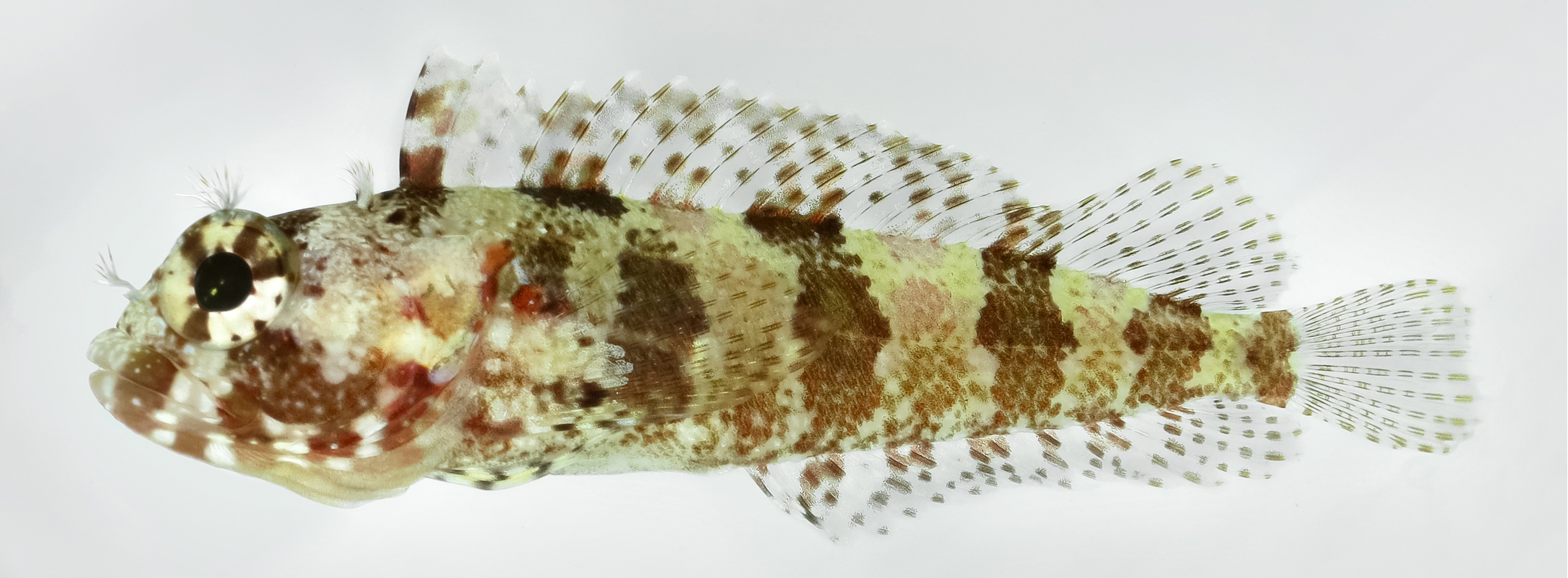
FIGURE 5| Holotype of Gobioclinus insularis, MZUSP 130932, 35.5 mm SL. Photography by J L. Gasparini.
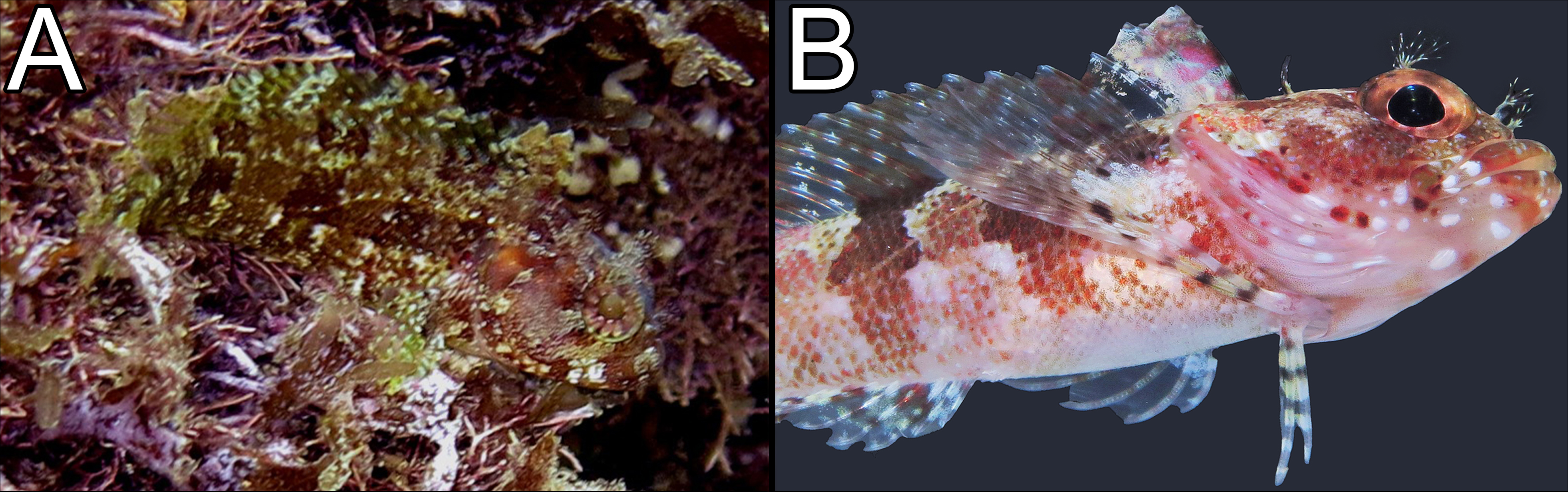
FIGURE 6| Live specimens of Gobioclinus insularis photographed in their natural habitat (A), and immediately after collection in an aquarium setting (B). Photographs by Claudio Sampaio (UFAL) and J. L. Gasparini.
Geographic distribution: Gobioclinus insularis is endemic to the oceanic islands of the Fernando de Noronha Archipelago (03°51’S 32°26’W) and the Rocas Atoll (03°51’S 33°49’W), located at approximately 345 and 260 km off the northeastern coast of Brazil respectively, and about 145 km apart from each other (Fig. 4).
Ecological notes. Gobioclinus insularis is a CRF species, with largest recorded specimen measuring 45.7 mm SL. It inhabits depths ranging from two to 12 m, typically residing in crevices and cavities within rocky substrates, rhodolith beds, and is frequently observed within the burrows of M. plumieri.Primarily feeds on small benthic invertebrates.
Etymology. The specific name insularis is in reference to the geographic distribution of the known specimens, found exclusively in the oceanic islands of Fernando de Noronha Archipelago and Rocas Atoll. A noun in apposition.
Comon names. Noronha Blenny (English), Maria da Toca de Noronha (Portuguese, Brazil).
Conservation status. Gobioclinus insularis is a CRF species endemic to shallow (up to 12 m) waters of the oceanic islands of the Fernando de Noronha Archipelago and the Rocas Atoll, with an estimated area of occupancy of less than 20 km². The Rocas Atoll, in particular, has a total surface area of approximately only 5.5 km². Both formations are included in no-take Marine Protected Areas according to Brazilian law, but a substantial part of the main island of Fernando de Noronha is under a less restrictive jurisdiction that allows for extensive touristic use. Fernando de Noronha is also impacted by other anthropogenic activities, such as land use and uncontrolled sewage discharge in some beaches, with signs of impact on the structure of the reef systems of this highly isolated oceanic island (e.g., Pimentel et al., 2020; Mello, 2023). In addition, invasive lionfishes of the genus Pterois Oken 1817 are now well-established in Fernando de Noronha (Soares et al., 2022), posing another major threat particularly to small benthic reef fishes on which they extensively feed (Albins, 2015). Considering the restricted area of occupancy, these impacts can lead the species to the condition of Critically Endangered (CR) or Extinct (EX) in the short term. Therefore, G. insularis is categorized as Vulnerable (VU) under criterion D2 according to the IUCN (2024).
Geographic and anatomical distinction between Brazilian species of Gobioclinus.Gobioclinus kalisherae and the Lineage A from Trinidad & Tobago, on the one hand, and the two species described here from the Brazilian Province, on the other, seem to have broadly disjunct geographic distributions. Additionally, records also indicate that G. urarita and G. insularis have disjunct geographic distributions in the Brazilian Province, since the first occurs along the Brazilian coast and the other occurs only in the oceanic islands of Rocas Atoll and Fernando de Noronha Archipelago. Based on the combined meristic and morphometric data, PC1 and PC2 explained 29.3% and 12.6% of the total variance, respectively (Fig. 7). The two newly described species of Gobioclinus occupy distinct morphospaces, with no evident partition among individuals of G. urarita analysed from different sites along the Brazilian coast (Fig. 7; Fig. S5). The most influential variables were orbit diameter (%HL), maxillary length (%HL), snout length (%HL), and head length (%SL). These results are consistent with observed anatomical differences between the two species, as G. insularis typically exhibits larger head and orbit dimensions relative to SL and HL when compared to G. urarita. Gobioclinus urarita, in turn, has a larger maxillary relative to HL than G. insularis. Furthermore, G. insularis is a smaller species compared with G. urarita, with maximum recorded SL of 45.7 mm vs. 90.9 mm.

FIGURE 7| Principal Component Analysis (PCA) based on 13 morphometric and 5 meristic characters from 15 specimens of Gobioclinus insularis (orange) and 34 of G. urarita (blue). Grey lines represent the loadings, indicating the magnitude and direction of the most explanatory characters. Shape of each dot corresponds to different collection localities (BA = Bahia; ES = Espírito Santo; FN = Fernando de Noronha Archipelago; RA = Rocas Atoll; RJ = Rio de Janeiro; SP = São Paulo).
Discussion
Here we provide evidence for the existence of at least four distinct lineages previously recognized as G. kalisherae in the western Atlantic, employing an integrative taxonomic approach combining anatomy, molecular data, and biogeography. Our results elevate the number of valid species of Gobioclinus to nine and further indicate the existence of one cryptic lineage from Trinidad and Tobago, in southern Caribbean, which remains to be formally described. Our results also underscore the necessity of a taxonomic reassessment of G. guppyi, given the presence of two lineages with genetic divergence in the Greater Caribbean region. We also believe that records of G. gobio in Fernando de Noronha Archipelago and Rocas Atoll (Carvalho-Filho, 2024) are likely misidentifications of G. insularis, since both species share similar color patterns. Therefore, G. gobio apparently does not occur in the Brazilian Province, including Brazilian oceanic islands.
The AOB and the distance between the Brazilian coast and the oceanic islands of Fernando de Noronha and the Rocas Atoll are the two semi-permeable barriers likely responsible for the evolution of G. insularis and G. urarita. Species of CRF are particularly sensitive to the AOB, and a series of recent studies indicate that several taxa previously considered as having broad distributions in the western Atlantic are actually species complexes (e.g., Opistognathus, Malacoctenus, Scartella; Smith-Vaniz et al., 2018; Dias et al., 2019; Carvalho-Filho et al., 2020; Araujo et al., 2020, 2022). Notably, the two cladogenetic events identified in the Gobioclinus phylogeny involving the AOB were estimated to have occurred between 0.75 and 1.92 Mya (nodes 1 and 2, Fig. S2), a temporal window that coincides with a period in which this barrier became less permeable to reef fishes, including larger-bodied species (e.g., Diplodus Rafinesque 1810, Scarus Forsskål, 1775, Sparisoma Swainson, 1839;Araujo et al., 2022). The absence of records of species of Gobioclinus along the northern Brazilian coast and in the Greater Amazon Reef System further indicate that species of the genus are particularly sensitive to low levels of salinity and/or higher quantities of suspended sediment in the water column, further supporting the hypothesis that the AOB acts as a strong barrier that isolate the species of the Brazilian Province from their Greater Caribbean counterparts. The process that resulted in the evolution of G. insularis, in turn, was likely driven by the stochastic colonization of the Fernando de Noronha Archipelago and Rocas Atoll via larval immigration and subsequent establishment of an isolated population, as reported for other CRF on Trindade Island (Pinheiro et al., 2017).
Although not the primary focus of this study, an additional likely biogeographic pattern within the Greater Caribbean was also revealed among specimens currently identified as G. guppyi: haplogroup 1 of the species seems to be widespread in the Caribbean Sea, whereas haplogroup 2 is exclusively found in Curaçao (Fig. S4). Differences in temperature, and the presence of upwelling, currents, marine gyres, along with larval dispersal patterns, are factors that modulate the dispersion ability and colonization of reef fishes in the Greater Caribbean, resulting in unique fish assemblages in different areas (Cowen et al., 2006; Roberston et al., 2014). The biogeographic partition observed between the Central and Southern Caribbean represented by the distributions of G. kalisherae and Lineage A, and G. guppyi suggest that sensitivity barriers within the Greater Caribbean are indeed relevant for the diversification of the genus in the region, as in other reef fish genera (e.g., Odontoscion; Carvalho-Filho et al., 2026). However, one of the haplotypes of haplogroup 1, from the Virgin Islands (BOLD ID LIDMA255–10, indicated by an arrow in Fig. S4), have mutational steps comparable to those observed between haplogroups 1 and 2, indicating that the genetic diversity of G. guppyi may be underestimated, likely due to limited sampling. Further taxonomic studies are therefore necessary to properly characterize and identify the diversity of Gobioclinus in the Greater Caribbean Province.
Conservation of Cryptobenthic reef fishes in the Brazilian Province. Cryptobenthic reef fish species, such as those of Gobioclinus, are characterized by a close relationship with the benthic substrate and strong dependence on specific microhabitats. They also typically have biological features such as benthic/brooder spawning mechanisms, larval retention in the vicinity of the natal reef, short life cycle, and high mortality (Brandl et al., 2018, 2019), attributes that are usually associated with low dispersal capacity and reduced population or genetic connectivity among distant areas (Pinheiro et al., 2017). These factors, combined with higher generational turnovers and restricted geographic ranges, can result in rapid reproductive incompatibility and, ultimately, higher levels of speciation and endemism (Floeter, Gasparini, 2000).
Recent studies indicate that small-sized and still undescribed or undiscovered species face some of the greatest risks of extinction due to human impacts (Ripple et al., 2017; Liu et al., 2022). Despite their astonishing diversity and relevance to reef ecosystems, CRF receive comparatively limited human interest, reflected in both reduced public attention and insufficient scientific investigation worldwide (Mouquet et al., 2024). This situation is even more critical in mega-biodiverse countries of the Global South such as Brazil, where funding for biodiversity assessments is often limited and the number of scientists dedicated to such research remains insufficient, despite advances in the last decades (Reis et al., 2016; Birindelli et al., 2025). CRFs as a group, in particular, includes some of the least understood vertebrate taxa (Brandl et al., 2018). The lack of knowledge about even the most basic aspects of the diversity and biology of several CRF taxa further places them in a very sensitive situation regarding conservation (Brandl et al., 2018).
The increased use of integrative taxonomy techniques, combining molecular data and morphology after the turn of the century prompted a significant increase in the detection and description of CRF species, including in the Brazilian Province (Fig. 8). A direct consequence of the accelerated recognition of distinct lineages and the description of species of cryptic reef fishes is that taxa once considered to have broad geographic ranges are often found to possess much more restricted distributions (Ceballos, Ehrlich, 2009; Morrison et al., 2009), as we observed here for G. insularis, which is only now recognized as a distinct species and already has a high risk of extinction.

FIGURE 8| Temporal distribution of taxonomic descriptions per decade of reef fish species in the Brazilian Province since 1758.
There is still a considerable lack of basic information on CRF communities in the western Atlantic, and more specifically in the Brazilian Province (Brandl et al., 2018; Araujo et al., 2022; Duhamet et al., 2023), which harbors a considerable amount of endemic reef fish species (Pinheiro et al., 2018) whose conservation status remains elusive or only tentative. In the last decades, the Brazilian Ministry of Environment through the Federal Agency ICMBio (Chico Mendes Institute for Biodiversity Conservation) has conducted a major effort to assess the risk of extinction of all species of vertebrates recorded in Brazil, applying the methodology and criteria of the IUCN (Pinheiro et al., 2015; ICMBio, 2018). In the case of marine fish species, all fishes with records in the Brazilian Exclusive Economic Zone (EEZ) were considered. Under that effort, a total of about 1,400 species of Brazilian marine fishes were assessed up to 2014, when the last major assessment was concluded at the country level (Reis et al., 2016). Of that total, about 7% were assessed as threatened with extinction, with 2.5% as Critically Endangered (CR), 1.0% as Endangered (EN), and 3.6% as Vulnerable (VU). An additional 0.1% (two sharks) were considered as Regionally Extinct (RE), 2.9% were assessed as Near Threatened (NT), and 13.5% were assessed as Data Deficient (DD). The remaining 72.5% of Brazilian marine fishes were considered as Least Concern (LC) at that point (Reis et al., 2016; ICMBio, 2018).
When 12 families of fishes typically regarded as CRF (Brandl et al., 2018) that are recorded in the Brazilian EEZ were considered at that point (Apogonidae, Blenniidae, Bythitidae, Callionymidae, Chaenopsidae, Gobiesocidae, Gobiidae, Grammatidae, Labrisomidae, Opistognathidae, Syngnathidae and Tripterygiidae), a total of 119 species were assessed. Of that total, six were regarded as Vulnerable (Malacoctenus brunoi Guimarães, Nunan & Gasparini, 2010; Hippocampus aff. erectus Perry, 1810; Hippocampus reidi Ginsburg, 1933; Hippocampus patagonicus Piacentino & Luzzatto, 2004; Elacatinus figaro Sazima, Moura & Rosa, 1996 and Enneanectes smithi Lubbock & Edwards, 1981) and one was assessed as Critically Endangered (Micrognathus erugatus Herald & Dawson, 1974), which together represents about 5.8% of Brazilian CRF species threatened with extinction known at that time. Two additional species (1.7%) were assessed as Near Threatened (Stygnobrotula latebricola Böhlke, 1957 and Gramma brasiliensis Sazima, Gasparini & Moura, 1998), whereas 12 (10.0%) were regarded as Data Deficient (DD) (Apogon planifrons Longley & Hildebrand, 1940; Apogon quadrisquamatus Longley 1934; Amphelikturus dendriticus (Barbour, 1905); Anarchopterus criniger (Bean & Dresel, 1884); Awaous flavus (Valenciennes, 1837); Emblemaria australis Ramos, Rocha & Rocha, 2003; Opistognathus brasiliensis, Smith-Vaniz, 1997; Paroncheilus affinis (Poey, 1875); Pseudophallus brasiliensis Dawson, 1974; Saccogaster parva Cohen & Nielsen, 1972; Saccogaster staigeri Cohen & Nielsen, 1972; Sicydium punctatum Perugia, 1896). Even though those percentages are similar to values generally detected when all Brazilian marine fishes are considered in different levels of sensitivity (i.e., DD, NT and all threat categories combined – VU, EN, CR), of the 22 CRF species regarded as Brazilian endemics at that point, seven (31.8%) were assessed as either threatened, Near Threatened or Data Deficient (E. australis, E. figaro, G. brasiliensis, M. brunoi, M. erugatus, O. brasiliensis, P. brasiliensis). Those numbers reinforce not only the need for developing and implementing effective conservation measures focused on Brazilian CRF endemics but on Brazilian marine reefs in general, considering the recent increase in the pace of description of new CRF endemics and especially how much we still don’t know about the real diversity of this ecologically relevant component of the country. Under that perspective, initiatives aimed at improving efforts in collecting in still poorly known or isolated regions of the Brazilian Province, such as in the oceanic islands, should be favored. Furthermore, given the cryptic nature of these fishes in both biological and taxonomic terms, assessments of CRF diversity in the Brazilian Province should ideally adopt integrative approaches incorporating multiple molecular techniques, an effort that requires increased allocation of research funding.
Acknowledgments
Authors extend their sincere gratitude to Christopher Hemingson, Ingrid Bunholi (University of Texas), Raphael M. Macieira (UFF), Eduardo Honuma, Joseilto Medeiros, Marcelo V. Kitahara, and Julia Marx (CEBIMar-USP), as well as to the PELD-ILOC program and the staff of ICMBio Alcatrazes and Sea Paradise Dive Center, for their essential support during field and laboratory work. We thank particularly the ICMBio Alcatrazes and ICMBio Fernando de Noronha for authorization to conduct research and collect reef fish specimens. We are also indebted to Luiz A. Rocha (CAS), Marcelo R. Britto (MNRJ), Michel Gianetti and Murilo Pastana (MZUSP), Kathiani Bastos and Jean-Christophe Joyeux (UFES), Flavio C. T. Lima and Karina Rebelo (ZUEC) for curatorial support and for providing access to, or data on, comparative material. We are especially thankful to Alfredo Carvalho-Filho and Raphael Macieira for their critical and constructive feedback on the manuscript. Finally, we express our appreciation to Ary Amarante (@aryamarante), Claudio Sampaio (UFAL), and Claudio Salvalaio for generously contributing with photographic material of Gobioclinus specimens.
References
Albins MA. Invasive Pacific lionfish Pterois volitans reduce abundance and species richness of native Bahamian coral-reef fishes. Mar Ecol Prog Ser. 2015; 522:231–43. https://doi.org/10.3354/meps11159
Araujo GS, Rocha LA, Lastrucci NS, Luiz OJ, Di Dario F, Floeter SR. The Amazon-Orinoco Barrier as a driver of reef-fish speciation in the western Atlantic through time. J Biogeogr. 2022; 49(8):1407–19. https://doi.org/10.1111/jbi.14398
Araujo GS, Vilasboa A, Britto MR, Bernardi G, von der Heyden S, Levy A, Floeter SR. Phylogeny of the comb-tooth blenny genus Scartella (Blenniiformes: Blenniidae) reveals several cryptic lineages and a trans-Atlantic relationship. Zool J Linn Soc. 2020; 190:54–64.
Birindelli JL, Severo-Neto F, Moreira CR, Colares LF, Oliveira LP, Montag LFA et al. The CARDUME Initiative: integrating Brazil’s Scientific Fish Collections to promote Research and Biodiversity Conservation. Biol J Linn Soc. 2025; 146(3):blaf088. https://doi.org/10.1093/biolinnean/blaf088
Bouckaert R, Vaughan TG, Barido-Sottani J, Duchêne S, Fourment M, Gavryushkina A et al. BEAST 2.5: an advanced software platform for Bayesian evolutionary analysis. PLoS Comput Biol. 2019; 15(4):e1006650. https://doi.org/10.1371/journal.pcbi.1006650
Brandl SJ, Goatley CH, Bellwood DR, Tornabene L. The hidden half: ecology and evolution of cryptobenthic fishes on coral reefs. Biol Rev. 2018; 93(4):1846–73. https://doi.org/10.1111/brv.12423
Brandl SJ, Tornabene L, Goatley CHR, Casey JM, Morais RA, Côté IM et al. Demographic dynamics of the smallest marine vertebrates fuel coral reef ecosystem functioning. Science. 2019; 364(6446):1189–92. https://doi.org/10.1126/science.aav3384
Carvalho-Filho A. Peixes: costa brasileira. 4th ed. São Paulo: Literare Books Internacional; 2024.
Carvalho-Filho A, Gasparini JL, Duarte L, Pfliger J, Sampaio CLS, Araujo GS. Two new species of the genus Odontoscion (Teleostei: Sciaenidae) from the Western Atlantic Ocean. Zootaxa. 2026; 5757(2):101–22. https://doi.org/10.11646/zootaxa.5757.2.1
Ceballos G, Ehrlich PR. Discoveries of new mammal species and their implications for conservation and ecosystem services. PNAS. 2009; 106(10):3841–46. https://doi.org/10.1073/pnas.0812419106
Chakrabarty P, Warren M, Page L, Baldwin C. GenSeq: an updated nomenclature and ranking for genetic sequences from type and non-type sources. ZooKeys. 2013; 346:29–41. https://doi.org/10.3897/zookeys.346.5753
Clement M, Posada D, Crandall K. TCS: a computer program to estimate gene genealogies. Mol Ecol. 2000; 9(10):1657–59. https://doi.org/10.1046/j.1365-294x.2000.01020.x
Cord I, Floeter SR, Araujo GS, Quimbayo JP, Robertson DR, Victor BC et al. Atlantic reef fishes: distributions and life-history traits. 2024. Distributed by Zenodo. https://doi.org/10.5281/ZENODO.13655554
Cowen RK, Paris CB, Srinivasan A. Scaling of connectivity in marine populations. Science. 2006;311:522–27. https://doi.org/10.1126/science.1122039
Cruz GL, Gasparini JL, Pinheiro HT. Composition and ecological aspects of the fish assemblage of the Marine Protected Area APA Baía das Tartarugas, southeastern Brazil. PanamJAS. 2022; 17(1):71–96. https://doi.org/10.54451/PanamJAS.17.1.71
Darriba D, Taboada GL, Doallo R, Posada D. jModelTest 2: more models, new heuristics and parallel computing. Nat Methods. 2012; 9:772. https://doi.org/10.1038/nmeth.2109
Dias RM, Lima SMQ, Mendes LF, Almeida DF, Paiva PC, Britto MR. Different speciation process in a cryptobenthic reef fish from the western Tropical Atlantic. Hydrobiologia. 2019; 837(1):133–47. https://doi.org/10.1007/s10750-019-3966-z
Duhamet A, Albouy C, Marques V, Manel S, Mouillot D. The global depth range of marine fishes and their genetic coverage for environmental DNA metabarcoding. Ecol Evol. 2023; 13(1):e9672. https://doi.org/10.1002/ece3.9672
Floeter SR, Gasparini JL. The southwestern Atlantic reef fish fauna: composition and zoogeographic patterns. J Fish Biol. 2000; 56:1099–111. https://doi.org/10.1111/j.1095-8649.2000.tb02126.x
Floeter SR, Rocha LA, Robertson DR, Joyeux JC, Smith-Vaniz WF, Wirtz P et al. Atlantic reef fish biogeography and evolution. J Biogeogr. 2008; 35(1):22–47. https://doi.org/10.1111/j.1365-2699.2007.01790.x
Fricke R, Eschmeyer WN, Van der Laan R, editors. Eschmeyer’s catalog of fishes: genera, species, references [Internet]. San Francisco: California Academy of Science; 2025. http://researcharchive.calacademy.org/research/ichthyology/catalog/fishcatmain.asp
Fujisawa T, Barraclough TG. Delimiting species using single locus data and the generalized mixed yule coalescent approach: a revised method and evaluation on simulated data sets. Syst Biol. 2013; 62:707–24. https://doi.org/10.1093/sysbio/syt033
Gasparini JL. Peixes dos recifes e das ilhas de Vitória e adjacências Espírito Santo – Brasil. Vitória: Gráfica e Editora GSA; 2017.
Greenfield DW, Johnson RK. The blennioid fishes of Belize and Honduras, Central America, with comments on their systematics, ecology, and distribution (Blenniidae, Chaenopsidae, Labrisomidae, Trypterygiidae). Fieldiana Zool. 1981; 8:1–106.
Hastings PA. Biogeography of new world blennies. In: Patzner RA, Gonçalves EJ, Kapoor BG, editors. The biology of blennies. Enfield: Science Publishers; 2009. p.95–118.
Hubbs C. Revision of the eastern Pacific fishes of the clinid genus Labrisomus. Zoologica. 1953; 38:113–36.
Husson F, Josse J. missMDA: a Package for Handling Missing Values in Multivariate Data Analysis. J Stat Soft. 2010; 70(1):1–31. https://doi.org/10.18637/jss.v070.i01
Instituto Chico Mendes de Conservação da Biodiversidade (ICMBio). Livro Vermelho da Fauna Brasileira Ameaçada de Extinção: Volume VI – Peixes. Brasília: ICMBio/MMA; 2018. https://www.gov.br/icmbio/pt-br/centrais-de-conteudo/publicacoes/publicacoes-diversas/livro_vermelho_2018_vol6.pdf
International Union for Conservation of Nature (IUCN). Standards and petitions committee. Guidelines for using the IUCN Red List categories and criteria. Version 16 [Internet]. Gland; 2024. Available from: http://www.iucnredlist.org/documents/RedListGuidelines.pdf
Kumar S, Stecher G, Tamura K. MEGA7: molecular evolutionary genetics analysis version 7.0 for bigger datasets. Mol Biol Evol. 2016; 33(7):1870–74. https://doi.org/10.1093/molbev/msw054
Leigh JW, Bryant D. PopART: full-feature software for haplotype network construction. Methods Ecol Evol. 2015; 6(9):1110–16. https://doi.org/10.1111/2041-210X.12410
Lin HC, Hastings PA. Phylogeny and biogeography of a shallow water fish clade (Teleostei: Blenniiformes). BMC Evol Biol. 2013; 13:210–28. https://doi.org/10.1186/1471-2148-13-210
Liu J, Slik F, Zheng S, Lindenmayer DB. Undescribed species have higher extinction risk than known species. Conserv Lett. 2022; 15(3):e12876. https://doi.org/10.1111/conl.12876
Mello TJ. Impactos locais e globais sobre ambientes marinhos do Arquipélago de Fernando de Noronha. [PhD Thesis]. Natal: Universidade Federal do Rio Grande do Norte; 2023. Avaiable from: https://repositorio.ufrn.br/server/api/core/bitstreams/fb4ef62b-3080-4044-920a-05b6ac156084/content
Menezes NA, Buckup PA, Figueiredo JL, Moura RL. Catálogo das espécies de peixes marinhos do Brasil. São Paulo: Museu de Zoologia da Universidade de São Paulo; 2003.
Morrison WR, Lohr JL, Duchen P, Wilches R, Trujillo D, Mair M et al. The impact of taxonomic change on conservation: does it kill, can it save, or is it just irrelevant? Biol Conserv. 2009; 142(12):3201–06. https://doi.org/10.1016/j.biocon.2009.07.019
Mouquet N, Albouy C, Almeida B, Gravel D, Gumanao G, Kulbicki M et al. Low human interest for the most at-risk reef fishes worldwide. Sci Adv. 2024; 10(4):eadj9510. https://doi.org/10.1126/sciadv.adj9510
Pereira HCP, Sazima I, Pinheiro HT, Carvalho-Filho A. Labrisomidae. In: Floeter SR, Krajewski JP, Fiuza TMJ, Rocha LA, Carvalho-Filho A, editors. Brazilian reef fishes. Curitiba: Editora CRV; 2023. https://doi.org/10.24824/978652514245.6
Pimentel CR, Rocha LA, Shepherd B, Phelps TAY, Joyeux J-C, Martins AS et al. Mesophotic ecosystems at Fernando de Noronha Archipelago, Brazil (South-Western Atlantic), reveal unique ichthyofauna and need for conservation. Neotrop Ichthyol. 2020; 18(4):e200050. https://doi.org/10.1590/1982-0224-2020-0050
Pinheiro HT, Bernardi G, Simon T, Joyeux JC, Macieira RM, Gasparini JL et al. Island biogeography of marine organisms. Nature. 2017; 549:82–85. https://doi.org/10.1038/nature23680
Pinheiro HT, Rocha LA, Macieira RM, Carvalho-Filho A, Anderson AB, Bender MG et al. South-western Atlantic reef fishes: zoogeographical patterns and ecological drivers reveal a secondary biodiversity centre in the Atlantic Ocean. Divers Distrib. 2018; 24(7):951–65. https://doi.org/10.1111/ddi.12729
Rambaut A, Drummond AJ, Xie D, Baele G, Suchard MA. Posterior summarization in Bayesian phylogenetics using Tracer 1.7. Syst Biol. 2018; 67(5):901–04. https://academic.oup.com/sysbio/article/67/5/901/4989127
Reis RE, Albert JS, Di Dario F, Mincarone MM, Petry P, Rocha LA. Fish biodiversity and conservation in South America. J Fish Biol. 2016; 89(1):12–47. https://doi.org/10.1111/jfb.13016
Ripple WJ, Wolf C, Newsome TM, Hoffmann M, Wirsing AJ, McCauley DJ. Extinction risk is most acute for the world’s largest and smallest vertebrates. PNAS. 2017; 114(4):10678–83. https://doi.org/10.1073/pnas.1702078114
Robertson DR, Cramer KL. Defining and dividing the Greater Caribbean: insights from the biogeography of shorefishes. PLoS ONE. 2014; 9(7):e102918. https://doi.org/10.1371/journal.pone.0102918
Rocha LA. Peixes recifais da costa da Paraíba, Brasil. Rev Bras Zool. 1998; 15:553–66.
Rocha LA. Patterns of distribution and processes of speciation in Brazilian reef fishes. J Biogeogr. 2003; 30(8):1161–71. https://doi.org/10.1046/j.1365-2699.2003.00900.x
Ronquist F, Teslenko M, van der Mark P, Ayres DL, Darling A, Höhna S et al. MrBayes 3.2: Efficient Bayesian phylogenetic inference and model choice across a large model space. Syst Biol. 2012; 61(3):539–42. https://doi.org/10.1093/sysbio/sys029
Sazima I, Carvalho-Filho A, Gasparini JL, Sazima C. A new species of scaly blenny of the genus Labrisomus (Actinopterygii: Labrisomidae) from the tropical West Atlantic. Zootaxa. 2009; 2015(1):62–68. https://doi.org/10.11646/zootaxa.2015.1.4
Sazima I, Gasparini JL, Moura RL. Labrisomus cricota, a new scaled blenny from the coast of Brazil (Perciformes: Labrisomidae). aqua. 2002; 5(3):127–32.
Smith-Vaniz WF, Tornabene L, Macieira RM. Review of Brazilian jawfishes of the genus Opistognathus with descriptions of two new species (Teleostei, Opistognathidae). Zookeys. 2018; 794:95–133. https://doi.org/10.3897/zookeys.794.26789
Soares MO, Feitosa CV, Garcia TM, Cottens KF, Vinicius B, Paiva SV et al. Lionfish on the loose: Pterois invade shallow habitats in the tropical southwestern Atlantic. Front Mar Sci. 2022; 9:1325. https://doi.org/10.3389/fmars.2022.956848
Springer VG. Systematics and zoogeography of the clinid fishes of the subtribe Labrisomini Hubbs. Publ Inst Mar Sci Univ Tex. 1959; 5:417–92.
Thompson JD, Higgins DG, Gibson TJ. CLUSTAL W: improving the sensitivity of progressive multiple sequence alignment through sequence weighting, position-specific gap penalties and weight matrix choice. Nucl Acids Res. 1994; 22:4673–80.
Weigt LA, Baldwin CC, Driskell A, Smith DG, Ormos A, Reyier EA. Using DNA barcoding to assess Caribbean reef fish biodiversity: expanding taxonomic and geographic coverage. PLoS ONE. 2012; 7:e41059. https://doi.org/10.1371/journal.pone.0041059
Zhang J, Kapli P, Pavlidis P, Stamatakis A. A general species delimitation method with applications to phylogenetic placements. Bioinformatics. 2013; 29(22):2869–76. https://doi.org/10.1093/bioinformatics/btt499
Authors

Gabriel S. Araujo1,2 , Guilherme Loyola da Cruz2,3, João Luiz Gasparini4,5, Fabio Di Dario5 and Hudson T. Pinheiro2
[1] Instituto Nacional de Pesquisas da Amazônia, 69067-375, Manaus, AM, Brazil. (GSA) gabrielsoaraujo@gmail.com (corresponding author).
[2] Centro de Biologia Marinha, Universidade de São Paulo, 11612-109, São Sebastião, SP, Brazil. (GLC) gloyola00cruz@gmail.com, (HTP) htpinheiro@usp.br.
[3] Programa de Pós-Graduação em Zoologia, Instituto de Biociências, Universidade de São Paulo, 05508-900, São Paulo, SP, Brazil.
[4] Programa de Pós-Graduação em Ciências Ambientais e Conservação (PPG-CiAC), Instituto de Biodiversidade e Sustentabilidade, Universidade Federal do Rio de Janeiro (NUPEM/UFRJ), 27965-045, Macaé, RJ, Brazil. (JLG) gaspa.vix@gmail.com.
[5] Instituto de Biodiversidade e Sustentabilidade, Universidade Federal do Rio de Janeiro (NUPEM/UFRJ), 27965-045, Macaé, RJ, Brazil. (FDD) didario@gmail.com.
Authors’ Contribution 

Gabriel S. Araujo: Conceptualization, Data curation, Formal analysis, Funding acquisition, Investigation, Methodology, Project administration, Resources, Software, Supervision, Validation, Visualization, Writing-original draft, Writing-review and editing.
Guilherme Loyola da Cruz: Conceptualization, Data curation, Formal analysis, Investigation, Methodology, Project administration, Software, Validation, Visualization, Writing-original draft.
João Luiz Gasparini: Conceptualization, Funding acquisition, Methodology, Project administration, Supervision, Validation, Visualization, Writing-review and editing.
Fabio Di Dario: Formal analysis, Funding acquisition, Investigation, Methodology, Resources, Supervision, Writing-review and editing.
Hudson T. Pinheiro: Conceptualization, Data curation, Formal analysis, Funding acquisition, Investigation, Methodology, Project administration, Supervision, Validation, Writing-review and editing.
Ethical Statement
Collecting activities were performed under permit number 89103 to HTP and 41327 to Carlos E. L. Ferreira, issued by the Sistema de Autorização e Informação em Biodiversidade (SISBIO), Instituto Chico Mendes de Conservação da Biodiversidade (ICMBio).
Competing Interests
The author declares no competing interests.
Data availability statement
The datasets generated during the current study are available in Genbank and the Barcode of Life Data System.
AI statement
The authors did not use any AI-assisted technologies in the creation of this manuscript or its figures.
Funding
Financial support to GSA was provided by Conselho Nacional de Desenvolvimento Científico e Tecnológico (CNPq; grant PROTAX 443302/2020), and Fundação de Amparo à Pesquisa do Estado de São Paulo (FAPESP; grant 2023/12231–90. GLC is supported by FAPESP (grant 2024/13767–2). JLG is supported by a CAPES (Coordenação de Aperfeiçoamento de Pessoal de Nível Superior) doctoral fellowship. FDD is also supported by CNPq PROTAX (443302/2020) and Fundação Carlos Chagas Filho de Amparo à Pesquisa do Estado do Rio de Janeiro (FAPERJ, E–26/210.942/2024); HTP is supported by FAPESP for funding (2019/24215–2) and fellowship (2021/07039–6). Authors also acknowledge The Nippon Foundation-Nekton Ocean Census Programme (https://oceancensus.org/) for supporting the description of these species. These are Ocean Census Species Numbers 249 and 250.
Supplementary Material
Supplementary material SUP
Peer Review
How to cite this article
Araujo GS, Loyola da Cruz G, Gasparini JL, Di Dario F, Pinheiro HT. Two new species of Gobioclinus (Blenniiformes: Labrisomidae) from the western South Atlantic, with comments on the conservation of cryptobenthic reef fishes in the Brazilian Province. Neotrop Ichthyol. 2026; 24(2):e250094. https://doi.org/10.1590/1982-0224-2025-0094
Copyright
This is an open access article under the terms of the Creative Commons Attribution License, which permits use, distribution and reproduction in any medium, provided the original work is properly cited.
Distributed under
Creative Commons CC-BY 4.0

© 2025 The Authors.
Diversity and Distributions Published by SBI
 Accepted January 27, 2026
Submitted May 30, 2025
Epub July 20, 2026