
 Yuri Gomes Abrantes1,2
  , Waldir Miron Berbel-Filho3, Roberto Almeida Carvalho4, Telton Pedro Anselmo Ramos1,2 and Sergio Maia Queiroz Lima1,2
PDF: Download Here | Cite this article
Associate Editor: Priscila Camelier
Section Editor: Bruno Melo
Editor-in-chief: José Birindelli
Abstract
Neste estudo utilizamos abordagem de taxonomia integrativa para descrever duas novas espécies do grupo Hypsolebias antenori, encontradas no baixo da bacia do rio Piranhas-Açu, no estado do Rio Grande do Norte, Nordeste do Brasil. As novas espécies diferem dos demais congêneres principalmente por uma combinação de características morfológicas: padrões de coloração de machos e fêmeas, origem da nadadeira dorsal, número de filamentos nas nadadeiras anal e dorsal, e série de escamas e neuromastos cefálicos. Com base em sequências do gene mitocondrial citocromo c subunidade I (cox1), reconstruímos as relações filogenéticas do HAG por meio de inferência bayesiana com relógio molecular. Nossos resultados sugerem que os eventos de diversificação do grupo ocorreram entre o meio e o final do Pleistoceno, um período de alta diversificação para os rivulídeos sazonais da Caatinga. Também identificamos a ocorrência de polimorfismo de cor em machos e fêmeas de H. guararug, nova espécie, e H. negobispoi, nova espécie, discutindo sua possível relação com a exploração de petróleo na região. Por fim, discutimos os impactos ambientais identificados na área de ocorrência das novas espécies, sugerindo o status de Em Perigo (EN) e Critimanete em Perigo (CR), respectivamente, base nos critérios da IUCN, além de recomendações para sua conservação nas poças temporárias do semiárido.
Palavras-chave: Contaminação de petróleo, Peixes da Caatinga, Conservação, Poças temporárias, Polimorfismo de cor.
Introduction
Rivulidae currently comprises 490 valid species, ranking among the ten most diverse fish families worldwide (Fricke et al., 2025). In addition to its high species richness, some members of this family exhibit unique reproductive strategies among vertebrates. For example, Kryptolebias (Costa, 2004) is known for self-fertilization, while many genera exhibit seasonal life cycle (Wourms, 1972; Berbel-Filho et al., 2022). These seasonal killifishes inhabit temporary aquatic environments and produce resistant eggs with thickened chorion, allowing the embryos to survive long dry periods through embryonic diapause (Furness et al., 2015; Thompson et al., 2024). These reproductive adaptations have likely enabled rivulid species to thrive in various habitats, ranging from mangrove swamps to ephemeral freshwater pools (Costa et al., 2010; Berois et al., 2016; Domínguez-Castanedo et al., 2022).
The genus Hypsolebias (Costa, 2006) comprises 55 species of seasonal killifishes that occur in the floodplains of the Cerrado and Caatinga in Brazil (Ramos et al., 2023; Fricke et al., 2025). Despite its widespread geographical distribution, Hypsolebias is the most threatened genus of freshwater fish in the Caatinga, with approximately 73% of the species on updated Brazilian red lists (ICMBio, 2018; MMA, 2022). Recent advances in integrative taxonomy have identified morphologically similar species, including several groups of Hypsolebias primarily found in the São Francisco River basin and in the coastal basins of the Brazilian semiarid (Costa, 2007; Costa et al., 2012; Britzke et al., 2016; Abrantes et al., 2023).
Among these groups, the H. antenori group (HAG) consists of three species distributed along the coastal basins of the Mid-Northeastern Caatinga ecoregion: H. gongobira Abrantes, Bento, Ramos & Lima, 2023 in the Pacoti River basin, H. antenori (Tulipano, 1973) in the Jaguaribe River basin, both from Ceará State, and H. bonita Abrantes, Bento, Ramos & Lima, 2023 in the Apodi-Mossoró River basin in Rio Grande do Norte State (Abrantes et al., 2023). The HAG is diagnosed by a subdistal orange-red band and a distal black band on anal fin, light blue or metallic band on caudal fin, and blue or white dots on body flank and fins of males. Additional features, such as the neuromast series, scale counts, and number of dorsal and anal-fin filaments, also distinguish the species within the group (Costa et al., 2014; Britzke et al., 2016; Abrantes et al., 2023).
Recent field trips in the lower portion of the Piranhas-Açu River basin, located east of the Apodi-Mossoró River, identified two new species of the HAG at three localities directly impacted by onshore oil activities. We conducted morphological and molecular analyses using cytochrome c oxidase subunit I (cox1) gene, including a time-calibrated Bayesian phylogeny, and discussed the diversification of the HAG species. Additionally, we report the remarkable color polymorphism in both sexes of the new species, and discuss its possible association with oil contamination, as detected through chemical analyses of total petroleum hydrocarbons in the water. The aim of this study is to provide the description of two threatened new species of the HAG from small wetland remnants directly impacted by multiple anthropogenic pressures in the Brazilian semiarid, such as oil extraction, wind farms and the São Francisco interbasin water transfer.
Material and methods
Morphological analysis. Meristic and morphometric data were obtained using a stereomicroscope and a digital caliper following Costa (1995). Scale patterns were identified according to Hoedeman (1958). The nomenclature and counting of cephalic neuromasts followed Costa (2006). Body morphometric measurements are expressed in percentage of standard length (SL), and head measurements as percentage of head length (HL) (Tab. 1). A couple of each species were cleared and stained (c&s) according to Taylor, Van Dyke (1985). The description of the osteological charactersfollowed Costa (2010). The description of coloration was based on specimens photographed in life. Both species present females with variable number of spots. In addition, some males showed typical female spots, indicating highly polymorphic species. To address this polymorphism, additional photos of preserved specimens were provided.
TABLE 1 | Meristic and morphometric data of the holotypes and paratypes of Hypsolebias guararug and H. negobispoi. Numbers in parentheses represent number of males and females analyzed. Measurements of holotypes are not expressed as percentages.
| Holotype | H. guararug | Holotype | H. negobispoi | ||
Paratype | Paratype | |||||
Male |
Male
|
Female
| Male |
Male
|
Female
| |
Standard length (mm) | 30.8 | 21.0–31.1 | 20.3–26.4 | 33.2 | 22.2–34.4 | 22.6–39.4 |
Percentage of standard length | ||||||
Body depth | 10.0 | 32.1–39.1 | 19.2–40.0 | 11.3 | 11.0–39.0 | 16.9–38.3 |
Caudal peduncle depth | 4.3 | 13.6–16.7 | 12.5–16.2 | 5.0 | 9.6–15.5 | 8.1–15.2 |
Pre-dorsal length | 14.8 | 44.5–54.7 | 55.2–65.8 | 16.4 | 37.2–50.4 | 45.0–60.1 |
Pre-pelvic length | 12.6 | 40.7–48.6 | 41.4–52.9 | 15.8 | 32.1–45.0 | 35.1–48.2 |
Length of dorsal-fin base | 10.3 | 30.0–40.8 | 17.4–32.1 | 10.5 | 19.3–36.0 | 13.5–23.6 |
Length of anal-fin base | 11.0 | 32.1–49.6 | 21.9–29.4 | 12.1 | 27.9–39.4 | 19.0–29.5 |
Caudal-fin length | 9.2 | 28.1–39.0 | 24.4–34.8 | 9.4 | 21.6–26.8 | 9.3–28.5 |
Pectoral-fin length | 8.3 | 22.7–34.4 | 19.9–29.7 | 8.4 | 17.6–25.6 | 16.5–25.8 |
Pelvic-fin length | 3.0 | 7.3–11.6 | 9.2–12.2 | 2.9 | 5.5–8.7 | 6.3–9.8 |
Head length | 8.8 | 22.3–34.4 | 29.0–36.4 | 9.6 | 22.7–31.9 | 23.3–35.2 |
Percentage of head length | ||||||
Head depth | 7.2 | 52.1–88.4 | 46.8–77.0 | 7.4 | 66.1–92.7 | 49.1–74.3 |
Head width | 4.3 | 41.9 –68.9 | 41.7–57.1 | 5.4 | 45.2–56.2 | 41.0–56.1 |
Snout length | 1.3 | 9.6–22.4 | 11.4–19.2 | 1.6 | 9.4–17.7 | 8.6–16.3 |
Lower jaw length | 2.4 | 18.5–36.9 | 15.3–31.4 | 2.5 | 21.8–31.4 | 17.2–31.5 |
Eye diameter | 3.0 | 27.9–41.3 | 29.4–39.7 | 2.8 | 28.2–43.5 | 24.7–42.1 |
The specimens analyzed were deposited in the ichthyological collections of the Museu Nacional do Rio de Janeiro (MNRJ), Museu de Zoologia da Universidade de São Paulo (MZUSP), Universidade Federal da Paraíba (UFPB), and Universidade Federal do Rio Grande do Norte (UFRN).
Molecular analyses. The DNA extraction, amplification and sequencing procedures were performed following the methodology described in Abrantes et al. (2023). Analysis of the consensus sequences of the cox1 mitochondrial gene of each specimen was carried out using the Geneious program (v. 10.11). Editing and alignment were executed in MEGA 11 (Tamura et al., 2021) using the Clustal W algorithm (Thompson et al., 1994). The final alignment included a 600 bp cox1 consensus sequence matrix for molecular analyses. Genetic distances were calculated in MEGA 11 using the K2P model (Tab. 2).
TABLE 2 | Genetic distances (cox1, Kimura 2-parameter) among the species of the H. antenori group, including the two new species.
| 1 | 2 | 3 | 4 | 5 | |
1 | H. gongobira |
|
|
|
|
|
2 | H. antenori | 0.026 |
|
|
|
|
3 | H. bonita | 0.016 | 0.020 |
|
|
|
4 | H. guararug | 0.015 | 0.020 | 0.014 |
|
|
5 | H. negobispoi | 0.036 | 0.039 | 0.032 | 0.032 |
|
Phylogenetics analysis and haplotype network. We used a total of 37 cox1 sequences representing six species of Hypsolebias, including the two new species described herein. We analyzed 36 sequences from the H. antenori group and used a sequence of H. lulai Ramos, Nielsen, Abrantes, Lira & Lustosa-Costa, 2023, from the H. flammeus group (Ramos et al., 2023), as outgroup. Of the 37 sequences, 20 are original and 17 from Abrantes et al. (2023) (Tab. 3).
TABLE 3 | List of Hypsolebias species used in the molecular analysis, with their respective coordinates of the collecting site, GenBank accession numbers for cox1 sequences and reference. Type localities are indicated by asterisk.
Species | Coordinates | Genbank number cox1 | References |
H. gongobira* | 03°53’52"S 38°24’13"W | OR899304, OR899305, OR899306 | Abrantes et al. (2023) |
H. antenori | 04°57’39"S 37°54’26"W | OR896085, OR896086, OR896087, OR896088 | Abrantes et al. (2023) |
H. antenori | 05°10’00"S 38°05’00"W | OR896089, OR896090, OR896091 | Abrantes et al. (2023) |
H. bonita* | 05°02’52"S 37°30’15"W | OR918882, OR918883, OR918884 | Abrantes et al. (2023) |
H. bonita | 05°04’15"S 37°27’44"W | OR918885, OR918886, OR918887, OR918888 | Abrantes et al. (2023) |
H. guararug* | 05°15’26"S 36°38’58"W | PX434343, PX434344, PX434345, PX434346, PX434347, PX434348 | This study |
H. guararug | 05°17’02"S 36°37’10"W | PX434349, PX434350, PX434351, PX434352, PX434353, PX434354, PX434355 | This study |
H. negobispoi* | 05°15’04"S 36°32’45"W | PX434356, PX434357, PX434358, PX434359, PX434360, PX434361 | This study |
H. lulai* | 06°10’33"S 35°31’47"W | PX43436280 | This study |
The best nucleotide substitution model (TN93) was selected a priori using the JModelTest v. 2.1.7 (Darriba et al., 2012). We reconstructed a time-calibrated tree with Bayesian inference (BI) in Beast 2 (Bouckaerte et al., 2014), using cox1 sequences with relaxed substitution and a previously selected clock model. In this case, to estimate the divergence time we performed an analysis with uncorrelated lognormal relaxed molecular clock together with a mutation rate of 1.9% (substitution/site/million years), the mutation rate for cox1, in Actinopterygii fishes (May et al., 2020). The BI covered 20,000 MCMC generations with trees and parameters sampled every 1,000 interactions and 20% burn-in. The results of each run were visualized in Tracer v. 1.7 (Rambaut et al., 2018) to evaluate the parameters and stationarity of the MCMC chains. The posterior probabilities and the consensus tree were inferred using TreeAnnotator v. 1.5.4 (Bouckaerte et al., 2014). The tree was manipulated and edited using TreeViewer (Bianchini, Sánchez-Baracaldo, 2024). The haplotype network of the H. antenori group was inferred using the TCS method on PopART v. 4.8.4 (Leigh, Bryant, 2015) to visualize the geographic distribution and the number of mutation steps between the haplotypes.
Chemical analysis of Total Petroleum Hydrocarbons. At the three localities in the Piranhas-Açu River basin, two replicate water samples were collected (on May 15, 2024) in 1L glass bottles and stored in a cooler with ice to preserve their chemical properties. The samples were sent for chemical analysis of total petroleum hydrocarbons (TPH) through the technical services of Laboratório de Análises Ambientais Processamento Primário e Biocombustíveis (LABPROBIO) at the Universidade Federal do Rio Grande do Norte (UFRN) (https://nupprar.ufrn.br/).
Results
Hypsolebias guararug, new species
urn:lsid:zoobank.org:act:16E44AD4-DAFB-44B3-8D33-045D040E06D8
(Figs. 1–3; Tab. 1)
Holotype. MNRJ 56075, 34.4 mm SL, male, Brazil, Rio Grande do Norte, Pendências Municipality, temporary pool near Piranhas-Açu River, Piranhas-Açu River basin, 05°15’26”S 36°38’58”W, 19 Jun 2023, R. Carvalho, Y. Abrantes & J. Soares.
Paratypes. All from Brazil, Rio Grande do Norte, Pendências Municipality, Piranhas-Açu River basin. MNRJ 56077, 2 males 26.7–27.7 mm SL, 2 females 21.4–28.7 SL, UFRN 5947, 4 males 22.0–29.8 mm SL, UFRN 5997, 7 males (1 c&s), 23.0–28.6 mm SL, 10 females, 21.7–26.4 mm SL (1 c&s), UFRN 6077, 4 males, 15.4–18.7 mm SL, collected with the holotype. UFRN 5598, 15 males, 20.5–31.1 mm SL, 8 females, 20.3–24.7 mm SL, 05°17’02”S 36°37’10”W. UFRN 6079, 5 males, 18.0–22.4 mm SL, 05°17’02”S 36°37’10”W, 15 May 2024, S. Lima, W. Berbel-Filho, Y. Abrantes & L. Torres.
Diagnosis. Differs from the three species of the H. antenori group (H. gongobira, H. antenori, and H. bonita) by having polymorphic males with 1–3 black spots distributed on anterocentral portion of flank and caudal peduncle (vs. absent in polymorphic males). It is distinguished from H. gongobira by number of pelvic fin rays in adult males (6 vs. 5); lower number scales on longitudinal series (27–28 vs. 33). Differs from H. antenori by lower number of scales on peduncle series (10–13 vs. 16); lower number of infraorbital neuromasts (15–16 vs. 20–24); and lower head depth in males (52.1–88.4% vs. 98.4–117.3% HL). Additionally, it is distinguished from H. bonita by position of dark grey bar in eye (vertical vs. oblique); higher number lateral mandibular neuromasts (10 vs. 4–8); lower number of vertebrae (27–28 vs. 30).
Description. Morphometric data in Tab. 1. Largest male examined 34.1 mm SL; largest female 26.4 mm SL. Body laterally compressed, relatively deep. Head narrow, elliptical in lateral plane view. Snout truncated. Eye positioned on lateral of head. Jaws short; conical teeth numerous, irregularly arranged; outer teeth large, inner teeth small and numerous. Vomerine teeth absent.
Dorsal and anal fins pointed in males and rounded in females. Anal fins with 1–3 filaments in males; filaments absent in females. Pectoral fins elliptical, posterior tip reaching vertical plane base, passing through7th and 8th anal-fin rays in males, and 4th and 5th in females. Pelvic fins pointed, tip reaching base of 2nd–3rd anal-fin rays in males, and 1st–2nd in females. Caudal fin subtruncate in males and rounded in females.
Dorsal-fin origin posterior to anal fin ray in males, at transversal plane passing through 3rd and 4th ray. In females, dorsal-fin origin posterior to anal-fin, at vertical plane through base of 4th anal-fin ray. Dorsal-fin rays 21–23 in males, 13–16 in females; anal-fin rays 20–24 in males, 19–21 in females; caudal-fin rays 20–23; pectoral-fin rays 13–14; pelvic-fin rays 6.
Dorsal profile in lateral view slightly concave from snout to end of dorsal-fin base; caudal peduncle slightly concave. Ventral profile convex from lower jaw to end of anal-fin base is straight along caudal peduncle.
Cephalic neuromasts: supraorbital 17–19, parietal 2, anterior rostral 1, posterior rostral 1, infraorbital 15–16, preorbital 4, otic 3–5, post-otic 3, supratemporal 1, median opercular 2, ventral opercular 3, preopercular 15, mandibular 15, lateral mandibular 10–13, and paramandibular 1. No contact organs on unpaired fins. One neuromast per scale of lateral line. Two neuromasts at base of caudal fin.
Frontal squamation follows E-pattern, with E-scales overlapping medially and no scale row anterior to H-scale. Longitudinal scale series 27–28; transverse scale series 10–12; scale rows around caudal peduncle 10–13. Total vertebrae 27–28 (2 c&s).
Coloration in alcohol. Males: flank brown, with 10–11 irregular pale yellow bars in vertical plane; 1–2 black spots on anterocentral portion of flanks and caudal peduncle. Venter pale yellow. Opercular region pale yellow. Iris white. Dorsal, anal and caudal fins dark, with white dots. Pelvic fin light brown. Pectoral fin hyaline with black distal margin. Female: Flank light grey, with dark brown on portion dorsal of flank; 1–3 black spots on anterocentral portion flank; 6–11 irregularly arranged black spots on caudal peduncle. Venter pale yellow. Opercular region silver golden. Infraorbital region light gray. Iris light yellow, with dark gray bar in vertical plane. Fins hyaline.
Coloration in life. Males: flank light grey on anterior portion grayish purple on posterior portion; bluish white iridiscent spots on latero-posterior portion of flank and caudal peduncle. Venter pale orange. Opercular region pale golden. Iris light yellow with dark brown bar in vertical plane. Dorsal fin yellowish-green with large white iridescent spots. One or three short black filaments on tips of dorsal and anal fins. Caudal fin greenish-yellow with greenish-blue distal margin. Anal fin yellowish-orange with white spots, subdistal area orange, and distal black stripe. Pectoral fin hyaline with distal black stripe. Pelvic fin orange with distal black stripe. Females: Sides of flanks light brown; 1–14 black spots on anterocentral portion flank (Figs. 1–9). Venter pale grey. Opercular region light yellow. Infraorbital region pale green. Iris light yellow. Paired fins hyaline.
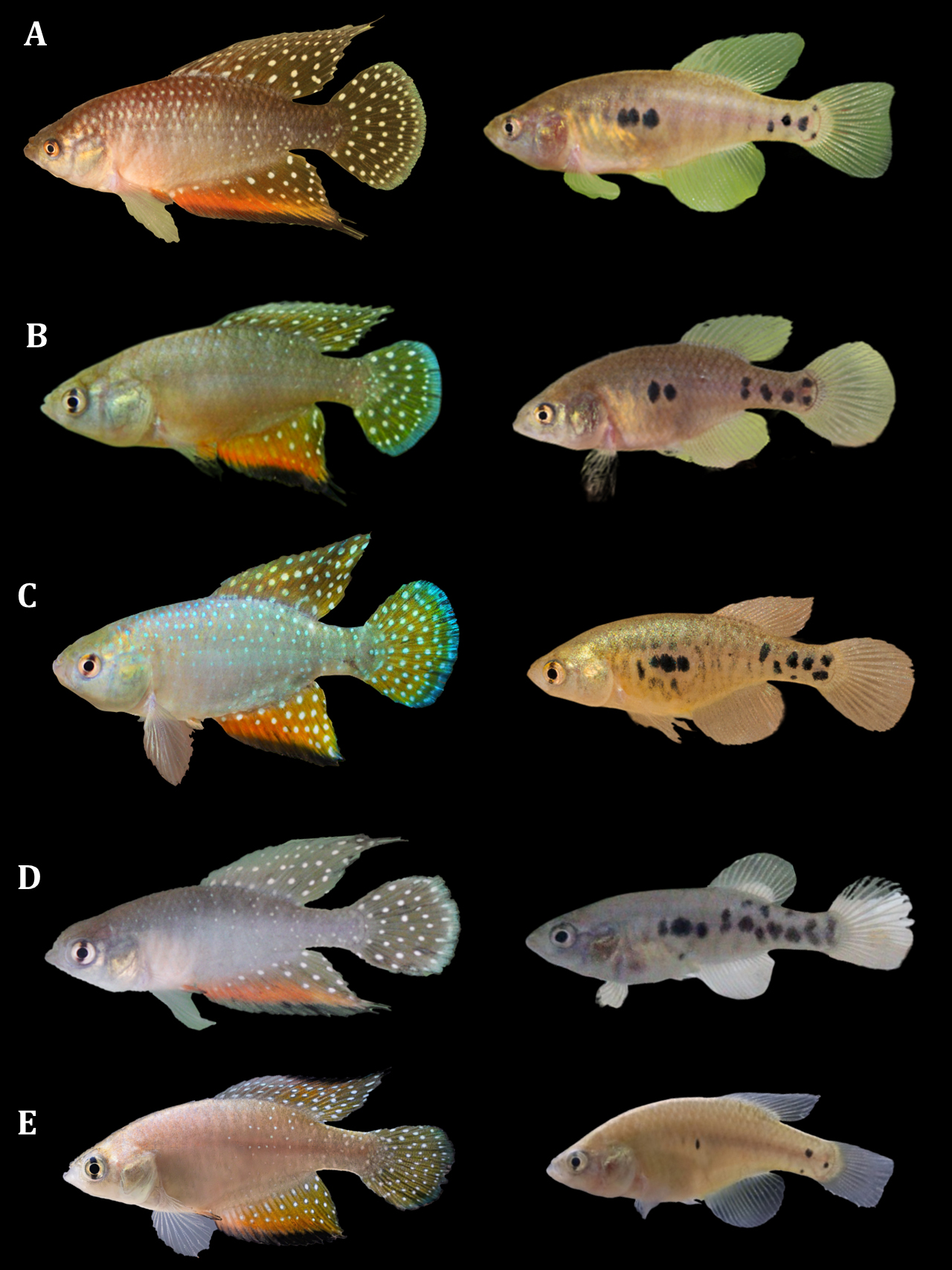
FIGURE 1| Live coloration pattern of male and female specimens of the Hypsolebias antenori group. A. H. gongobira from Pacoti River, B. H. antenori from Jaguaribe River, C. H. bonita from Apodi-Mossoró River, D. H. guararug and E. H. negobispoi, both from the Piranhas-Açu River.
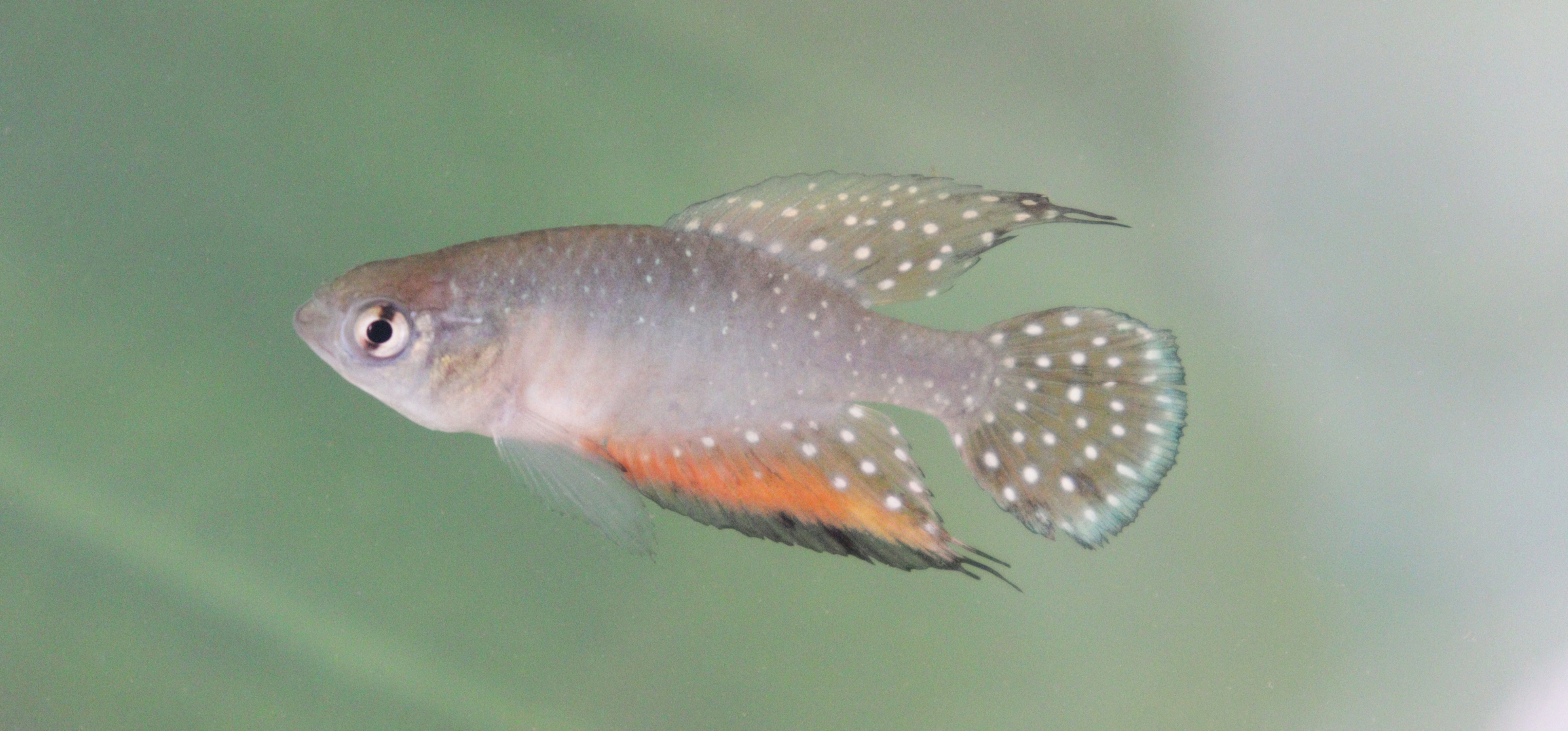
FIGURE 2| Hypsolebias guararug, MNRJ 56075, holotype, male, 30.8 mm SL, Brazil, Rio Grande do Norte, Pendências, Piranhas-Açu River basin.

FIGURE 3| Hypsolebias guararug, MNRJ 56077, paratype, female, 28.7 mm SL, Brazil, Rio Grande do Norte, Pendências, Piranhas-Açu River basin.

FIGURE 4| Type locality of Hypsolebias guararug, Brazil, Rio Grande do Norte, Pendências, Piranhas-Açu River basin.

FIGURE 5| Hypsolebias negobispoi, MNRJ 56076, holotype, male, 32.4 mm SL, Brazil, Rio Grande do Norte, Pendências, Piranhas-Açu River basin. Photo: Diego Bento.

FIGURE 6| Hypsolebias negobispoi, MNRJ 56078, paratype, female, 34.5 mm SL, Brazil, Rio Grande do Norte, Pendências, Piranhas-Açu River basin.

FIGURE 7| Type locality of Hypsolebias negobispoi, impacted by oil exploration. Brazil, Rio Grande do Norte, Macau, Piranhas-Açu River basin.

FIGURE 8| A. Geographic distribution of H. antenori group in costal basins of the Caatinga. Stars represent type localities, and circles indicate sampled localities. Hypsolebias gongobira in dark blue, H. antenori in orange, H. bonita in purple, H. guararug in red, H. negobispoi in green, H. lulai in white. Light blue lines represent hydrographic costal basins of the Caatinga. TCS haplotype network from the mitochondrial cox1 of H. antenori group haplotypes. Each circle represents a haplotype, lines between nodes represent single base changes, circle size indicates haplotype frequency, and black nodes represent hypothetical ancestral states. B. Phylogenetic relationships among the H. antenori species group. Bayesian inference tree based on cox1 sequences. Values above the nodes represent support values, given by posterior probability values from the BI analysis. Values in brackets indicate divergence time estimates, with the 95% highest posterior density (HPD). Vertical bars represent the colors of the species on the geographical distribution map.

FIGURE 9| Color polymorphism in alcohol preserved specimens of Hypsolebias guararug (males: A–D; females: I–L) and H. negobispoi (males: E–H; females: M–P).
Color polymorphism. In males, besides the typical male pattern described above, there are males (17 of 40; 42.5%) with 1–2 black spots on anterocentral portion of the flank and caudal peduncle, similar to females. Females highly variable (16 of 20; 80%), with 6–14 black spots on flank.
Geographical distribution. Hypsolebias guararug is only known from two localities in the lower portion of the Piranhas-Açu River basin, in the municipality of Pendências, Rio Grande do Norte, Brazil (Figs. 4, 8). The type locality is a long seasonal pool situated along the margin of road RN-18, and 18.6 km away from the Atlantic Ocean (Fig. 4). Four kilometers south, the second locality is a shallow and small pool in a private property. The area of occurrence of H. guararug is in an oil exploration field in the Potiguar basin (ANP, 2024), recognized as an economically important region for Brazil’s petroleum industry and wind energy production in the semiarid Caatinga biome (https://atlaseolicosolarn.com.br) (Fig. 11).

FIGURE 10| Oil and wind energy impacts identified between the temporary pools of Hypsolebias guararug and H. negobispoi.

FIGURE 11| Environmental impacts identified in the lower Piranhas-Açu River basin, Rio Grande do Norte State, Brazil, and the temporary pools of the new species, Hypsolebias guararug in red and H. negobispoi in green. Cross icons represent onshore oil wells indicated by Brazilian Agência Nacional de Petróleo (ANP, 2024). Wind turbines represent wind farm sites indicated by Plataforma de Energias do Rio Grande do Norte (https://atlaseolicosolarn.com.br/). Stars represent type localities, and circles indicate sampled localities. Light blue lines represent hydrography.
Ecological notes. Both localities are in the semiarid coastal zone of Rio Grande do Norte. In the type locality, a pool with a total area of 11.368 m2, at an altitude of 6 m above the sea level, containing dark water and depth ranging about 0.5 to 1 m, with sandy and rocky substrates. Hypsolebias guararug was found in syntopy with Astyanax aff. bimaculatus Linnaeus, 1758, Poecilia vivipara Bloch & Schneider, 1801, and the non-native poecilid Xiphophurus maculatus (Günther, 1866). At the second locality, at an altitude of 16 m above the sea level, the temporary pool had a total area of 487 m2, with a depth ranging from 0.3 to 0.8 m, with muddy substrate, and dark water. In both localities, the water surface was covered by aquatic vegetation, predominantly Echinodorus sp. and Nymphaea sp., while the surrounding vegetation consisted of Carnaúba palms Copernicia prunifera (Mill.) H. E. Moore (Fig. 4).
Conservation status. Hypsolebias guararug is know from two sites comprising seasonal pools impacted by onshore oil exploration activities. Both sites have oil-contamined waters (see discussion). Five kilometers to the south, the advance of deforestation for the installation of wind farms may compromise the integrity of the forest wetlands where the new species occurs. Therefore, due to continue decline of habitat caused by impacts identified and restricted geographic distribution with an extent of occurrence (EOO) estimated at less than 5,000 km2, an area of occupancy (AOO) below 10 km², this species should be classified as Endangered (EN), according to criteria B1ab(iii)+2ab(iii) of the International Union for Conservation of Nature (IUCN, 2024). The EOO and AOO were calculated on the GeoCAT online server; https://geocat.iucnredlist.org.
Etymology. The specific epithet guararug is derived from the Tupi-Guarani language, corresponding to the indigenous name of the Piranhas-Açu River, prior to the Portuguese colonization. The word “guararug” is translated as “river of birds” (Cascudo, 1968). The epithet is treated as a noun in apposition.
Hypsolebias negobispoi, new species
urn:lsid:zoobank.org:act:1C6B493E-436F-4A8F-A9F4-05CE5CD83333
(Figs. 1–5–6; Tab. 1)
Holotype. MNRJ 56076, 32.4 mm SL, male, Brazil, Rio Grande do Norte, Macau Municipality, temporary pool near Cabuji River, Piranhas-Açu River basin, ca. 05°15’S 36°32’W, 19 Jun 2023, R. Carvalho, Y. G. Abrantes & J. S. Soares.
Paratypes. All from Brazil, Rio Grande do Norte, Macau Municipality, Cabuji River, Piranhas-Açu River basin. MNRJ 56078, 2 males, 20.5–33.0 mm SL, 2 females, 26.4–34.5 mm SL, collected with the holotype. UFRN 5999, 4 males, 19.7–28.0 mm SL, 4 females, 22.6–24.4 mm SL, collected with the holotype, 19 Jun 2023, R. Carvalho, Y. G. Abrantes & J. S. Soares. UFRN 6080, 4 males, 33.3–37.7 mm SL (1 c&s), 3 females, 26.4–39.7 mm SL (1 c&s), 15 May 2024, S. Lima, W. Berbel-Filho, Y. Abrantes & L. Torres.
Diagnosis. Hypsolebias negobispoi differs from all species of the H. antenori group by presenting distal black strip in dorsal fin of adult males (vs. absence). Differs from H. gongobira by presenting higher number of scales on peduncle series (15–16 vs. 14). Dorsal-fin origin on transversal plane through bases of 3rd–4th anal-fin rays in males (vs. on transversal plane through base of 1st anal-fin ray); lower number of neuromasts on ventral opercular series (3 vs. 1). It is distinguished from H. antenori by lower number of dark filaments in dorsal and anal fins (1 vs. 2–3); lower number of neuromasts on infraorbital series (16–17 vs. 20–24); light orange flank color (vs. light gray). It also differs from H. bonita by presenting lower number neuromasts on preopercular series (12–13 vs. 16–17); lower length dorsal-fin base (19.3–36.0% vs. 37.8–43.5% SL). Additionally, the new species differs from H. guararug by presenting; lower number of ventral opercular neuromasts series (1 vs. 3), and preopercular (12–13 vs. 15); and by caudal-fin length (21.6–26.8% vs. 28.1–39.0% SL).
Description. Morphometric data in Tab. 1. Largest male examined 34.4 mm SL; largest female 39.4 mm SL. Body relatively deep, laterally compressed, greatest body depth at pelvic-fin base. Head narrow, elliptical in lateral plane view. Jaws long, teeth numerous, conical, irregularly arranged; outer teeth large, inner teeth small and numerous. Vomerine teeth absent. Snout truncated. Eye positioned on upper lateral of head. Urogenital papilla cylindrical and exposed in males; pocket-shaped urogenital opening in females.
Dorsal and anal fins pointed with filaments in males and pointed in females. Tip of dorsal and anal fins with one short filamentous rays, reaching vertical plane caudal-fin base in males; filaments absent in females. Dorsal profile slightly convex from snout to end of dorsal-fin base, slightly concave on caudal peduncle. Ventral profile convex, concave on caudal peduncle. Pectoral fin elliptical, posterior tip reaching transversal plane through bases of 6th and 7th anal-fin rays in males, reaching urogenital papilla in females. Pelvic fins pointed; tips reaching base of 1st–2nd anal-fin rays in males and urogenital papilla in females. Caudal fin rounded in males, subtruncate in females.
Dorsal-fin origin at transversal plane through anal fin in males; anal-fin origin at vertical plane through base of 2nd dorsal-fin ray in males. Dorsal-fin origin posterior to anal-fin origin in females, at transversal plane through base of 3rd anal-fin ray. Dorsal-fin rays 19–22 in males, 14–16 in females; anal-fin rays 22–24 in males, 20–23 in females; caudal-fin rays 21–22 in males, 17–20 in females; pectoral-fin rays 13; pelvic-fin rays 6.
Cephalic neuromasts: supraorbital 13–16, parietal 2, anterior rostral 1, posterior rostral with one lateral neuromast and one median neuromast, infraorbital 16, preorbital 3, otic 2, post-otic 3, supratemporal 1, median opercular 2, ventral opercular 2–3, preopercular 12, mandibular 17–18, lateral mandibular 11, and paramandibular 1. Contact organs absent in fins. One neuromast on each scale of lateral line. Two neuromasts at caudal-fin base. Frontal squamation E-patterned; E-scales overlapping medially; no scale row anterior to H-scale; longitudinal scale series 21–25; transverse scale series 10; scale rows around caudal peduncle 10. Total vertebrae 28–29 (2 c&s).
Coloration in alcohol. Males: Iris white. Flank brownish yellow. Opercular and venter region pale yellow. Pelvic and pectoral fin hyaline with black distal margin. Dorsal and caudal fins dark gray with white dots. Anal fin dark gray with white dots, subdistal stripe white and distal stripe dark. Female: Iris white. Flank pale yellow with one or two black spots on anterocentral portion of flank and 1–4 black spots on caudal peduncle. Venter and opercular region pale yellow. Fins hyaline.
Coloration in life. Males: flank light orange, with small bluish white dots. Venter light orange. Opercular region pale gray. Iris light yellow, with dark brown bar in vertical plane. Dorsal fin yellow-orange with bluish white dots. Short black filament is present at tips of the dorsal and anal fins. Caudal fin yellow-orange with bluish-white dots, distal margin with a metallic blue stripe. Anal fin yellow-orange with bluish white dots and a black distal stripe. Pectoral fin hyaline with a black distal stripe. Pelvic fin orange with black distal stripe (Figs. 1–5). Females: flank light gray, with one or two black spots on anterocentral portion of flank and 1–4 black spots on caudal peduncle (Figs. 1–6). Opercular region pale gray. Infraorbital region pale gray. Iris light yellow. Paired fins hyaline.
Color polymorphism. Males: As described for H. guararug (Fig. 9). There are 4/10 (40%) males with 1–2 black spots on the anterocentral portion of the flank and caudal peduncle, similar to females.
Geographical distribution. Hypsolebias negobispoi is only known from the type locality, a temporary pool near the Cabuji River, tributary of Piranhas-Açu River. The pond is located in an oil extraction unit on the margin of the road at 15 m altitude in the municipality of Macau, Rio Grande do Norte State (Figs. 7–8).
Ecological notes. The total area of the pool was 244 m2, with turbid water, depth ranging about 0.5 to 1 m, and muddy substrate. During the different sampling efforts, we observed the foraging behavior of the great egret Ardea alba (Linnaeus, 1758) in the pool. Aquatic vegetation is composed of Echinodorus sp. and Nymphaea sp. on the water surface, while the marginal vegetation was composed of jurema-preta Mimosa tenuiflora (Willd.) Poir and faveleira Cnidoscolus quercifolius Pohl trees (Fig. 7).
Conservation status. Hypsolebias negobispoi is only known from its type locality, a single seasonal pool located in close proximity to onshore oil extraction infrastructure. An oil pumpjack operates less than 10 m from this pool, and the water is contaminated with petroleum residues (Fig. 7; see below). As in the case of H. guararug, deforestation associated with the installation of wind farms may further threatens the integrity of the surrounding wetlands. With an area of occupancy (AOO) < 10 km2 (Calculated on the GeoCAT online server, https://geocat.iucnredlist.org), occurrence restricted to a single location, and evidence of ongoing habitat decline due to oil contamination and deforestation, this species meets the criteria for Critically endangered (CR) B2ab(iii) under the IUCN Red List Categories and Criteria (IUCN, 2024).
Etymology. The specific epithet honors Antônio Bispo dos Santos, known as Nêgo Bispo, a Quilombola teacher and philosopher from Brazil. Nêgo Bispo was born on December 12, 1959, in the municipality of Francinópolis in Piauí State, lived in the Saco-Curtume Quilombo, and died at the age of 63 on December 3, 2023. He fought against social inequalities and defended ancestral knowledge from the forest (Santos, 2023). A noun in apposition.
Phylogenetic relationships, haplotype network, and genetic distances. The topology obtained through BI indicated a clear division of the H. antenori group into five distinct lineages. The specimens from the Piranhas-Açú River basin described here form two monophyletic, but not sister clades, suggesting a secondary contact in the basin. Although H. guararugis closely related to H. bonita and H. gongobira, and these are sister group of H. antenori, this relationship is weakly supported (PP = 0.5). On the other hand, Hypsolebias negobispoi samples formed a highly supported (PP = 1) sister clade of the species previously listed (Fig. 8).
Hypsolebias negobispoi appears to have diverged from the other species of the HAG by approximately 1.2 Mya (95% HPD = 0.89–1.53 Mya), during the mid-Pleistocene. In contrast, H. guararug comprises a recent clade that diverged from H. antenori by about 0.7 Mya (95% HPD = 0.55–0.96 Mya), and from the sister clade composed of H. bonita and H. gongobira, about 0.6 Mya (95% HPD = 0.45–0.83 Mya), at the end of the Pleistocene (Fig. 8). We observed a total of 10 cox1 haplotypes of the five HAG species distributed across four hydrographic basins. Our haplotype network also depicts the higher number of mutational steps separating H. negobispoi from the remaining species, including H. guararug also from the Piranhas-Açu River basin (Fig. 8A).
Genetic distances for cox1 are presented in Tab. 2. The interspecific K2P distance among valid species ranged from 1.6% (between H. gongobira and H. bonita) to 2.6% (H. gongobira and H. antenori). Distances between the new species was 3.2% (H. negobispoi and H. guararug). The smallest distances were 1.4% (H. guararug and H. bonita) and 1.5% (H. guararug and H. gongobira), while the largest were 3.6% (H. negobispoi and H. gongobira) and 3.9% (H. negobispoi and H. antenori) (Tab. 2).
Concentrations of total petroleum hydrocarbons in water. The chemical analyses of the water indicated contamination by petroleum hydrocarbons in the pool of H. guararug with TPH concentration ranging from 284 μg/L (locality 01) to 447.88 μg/L (locality 02), and 291.73 μg/L in the single site of H. negobispoi
Discussion
Phylogenetic relationships. Given the geographical proximity of only 10 km between the type localities of the new species in the Piranhas-Açu River basin, we initially expected them to be sister species, as for some congeners from the São Francisco River basin (Costa et al., 2012, 2018). However, our phylogenetic tree indicated that H. guararug is closely related with H. gongobira from the Pacoti River and H. bonita from the Apodi-Mossoró River. This close relationship is further supported by the lower genetic distances observed between these species (1.4 and 1.5%, respectively) (Tab. 2; Fig. 8). Similar genetic distances have been found between species of H. igneus group (Britzke et al., 2016; Abrantes et al., 2023). In contrast, H. negobispoi is sister clade of the remaining HAG species and exhibits the highest genetic distances (ranging from 3.2 to 3.9%). These differences are also observed number mutational steps in the haplotype network (Fig. 8). In addition to the molecular differences, H. guararug and H. negobispoi differ morphologically from each other and from other congeners of the clade, primarily in male and female color patterns, position of the dorsal fin origin, number of black filaments on anal and dorsal fins, scale series, cephalic neuromasts, and vertebral count (see diagnoses).
Our results indicate that the diversification of the HAG species occurred in the middle and late Pleistocene in the costal basins of Caatinga (Fig. 8). This is also consistent with the diversification of the Hypsolebias flavicaudatus group in the São Francisco River basin (Costa et al., 2018). This period was marked by glaciations with alternating cycles of dry and humid climates, which promoted contractions and expansions of Caatinga vegetation (Oliveira et al., 1999; Menezes et al., 2016), potentially influencing the speciation processes of the Hypsolebias lineages (Costa et al., 2017, 2018).
Water contamination by oil. The chemical analyses of the water revealed oil contamination in the habitats of H. guararug with total petroleum hydrocarbon (TPH) concentrations ranging from 284 μg/L at type locality, to 447.88 μg/L in the other locality. Similarly, TPH contamination was detected in the only locality of H. negobispoi, with TPH levels reaching 291.73 μg/L.
According to the Brazilian Environmental Council (Conselho Nacional do Meio Ambiente, CONAMA) resolution 357/05, which classifies the freshwater habitats, the seasonal killifishes habitats fall under class II and III, which are designated for the protection and natural equilibrium of aquatic communities (CONAMA, 2005). While this resolution sets permissible thresholds for toxic effluents in freshwater, it does not include petroleum hydrocarbons in its list of regulated substances. On the other hand, polychlorinated biphenyls (PCBs) have similar or greater toxic effects than hydrocarbons (Miller et al., 2024), are regulated with a maximum allowable concentration of 0.001 µg/L in freshwater (CONAMA, 2005). Despite the absence of specific regulation for petroleum hydrocarbons, the elevated concentrations identified in our analyses may adversely affect the physiology of seasonal killifishes, which are recognized for their rapid responses to environmental physical and chemical changes (Polačik et al., 2021).
Color polymorphism. Specimens of H. gurarug and H. negobispoi show a remarkable color polymorphism (Fig. 9), characterized by combining typical male (elongated, color dorsal and anal fins with filaments) and female traits (black spots on flank and caudal peduncle; Figs. 1–9). Molecular analyses based on cox1 sequences indicated that these individuals share identical haplotypes of each species (Fig. 8), excluding the possibility of additional syntopic species. This color polymorphism has not been previously reported in Hypsolebias, including studies on the H. antenori group (Costa, 2002, 2007, 2010; Abrantes et al., 2023).
Due to their ephemeral life cycle, seasonal killifishes undergo a rapid senescence process (Thompson et al., 2024), which is often accompanied by quick changes in coloration during sexual development (Alonso et al., 2024). However, in H. guararug and H. negobispoi the atypical male phenotypes are observed consistently from juvenile to adult stages (Fig. 9), indicating that it is not result of different developmental stages (Fig. 9). The color polymorphism is generally understood as the coexistence of multiple color morphs in a single interbreeding population. Color polymorphism emerge and can be maintained by a complex interplay of evolutionary forces, including natural and sexual selection, genetic drift, gene flow, and ancestral polymorphism (Guerrero, Hahn, 2017; Rojas et al., 2020; Zerulla, Stoddard, 2021; Rodriguez-Silva et al., 2023).
Here we present the color polymorphism as a visible phenotypic variation in males and females of both new species, as observed in the North American killifish Millerichthys robustus (Miller & Hubbs, 1974) (Domínguez-Castanedo et al., 2021, 2022a,b). Once annual killifishes are highly sensitive to environmental changes (Polacik et al., 2021), the color polymorphism in both sexes of two Hypsolebias species from the Piranhas-Açu River basin may reflect physiological responses to local anthropogenic stressors (Mills, Chichester, 2005), particularly oil activities in the lower Piranhas-Açu River region (Figs. 10–11). This is particularly suggestive since it has not been observed in any other species of the genus, but is present in both species of the same basin, which are phylogenetically distant from each other and both impacted by oil activities.
Although we did not directly test the toxic effects of contamination, recent studies have shown that even low concentrations of TPH oil in water can be toxic, causing developmental deformities in embryos, immune system dysfunction, and endocrine disruption in fish (Miller et al., 2024; Kuhn et al., 2025; Park et al., 2025). It is also likely that other physical factors (e.g., water temperature, oxygenation, and pH) and ecological interactions (e.g., population density and sexual behavior) may influence the color polymorphism in the new species (Zerulla, Stoddard, 2021). Understanding the emergence of this color polymorphism and their impact on population dynamics particularly in the context of sexual and natural selection requires further investigation. Additionally, assessing how these biological factors interact with oil contamination will be critical for evaluating the long-term persistence of these species in the face of threatening environmental changes.
Recommendations for conservation. Since the 1970s, oil exploration in the lower Piranhas-Açu River (ANP, 2024) and the rapid development of wind farms over the last decade have emerged as major threats to the species described herein (Fig. 11). These projects often fail to evaluate their impacts on freshwater ecosystems and Caatinga’s fish fauna, which are rarely considered in the environmental licensing processes. Consequently, wetland degradation, habitat loss, and water pollution have become significant factors contributing to the vulnerability of killifishes in Ceará State, including the Critically Endangered (CR) Anablepsoides cearensis (Costa & Vono, 2009) and the Vulnerable (VU) H. longignatus (Costa, 2008) (ICMBio, 2018; Abrantes et al., 2020; Gomes et al., 2025).
While H. guararug was recorded in two sites in the floodplains of the Piranhas-Açu River, H. negobispoi was found in a single pond in the tributary of the Cabuji River. Onshore oil exploration was observed to impact all three sampled habitats (Fig. 11). In addition to oil impacts, the rapid expansion of wind farms has been documented 5 km south of the localities where H. guararug and H. negobispoi were found. The installation of wind farms involves the suppression of Caatinga shrub vegetation, leading to the loss of riparian vegetation, a critical factor affecting freshwater fish habitats (Casatti, 2010).
The new species have seasonal life cycle and are restricted to temporary habitats that are subject to continued decline due to environmental threats. With an area of occupancy (AOO) of less than 10 km2, H. guararug can be classified as Endangered (EN) and H. negobispoi as Critically Endangered (CR) under the IUCN criteria (IUCN, 2024). Furthermore, the Piranhas-Açu River serves as a receptor basin for the São Francisco interbasin water transfer project, which poses additional risks by altering the hydrological characteristics of freshwater habitats and disrupting the life cycles of killifishes (Costa, 2002; Berbel-Filho et al., 2016; ICMBio, 2018). These cumulative threats underscore the urgent need for conservation measures to protect these species and their fragile ecosystems.
Finally, we highlight the need of additional studies along the Piranhas-Açu River basin to monitor environmental impacts, identify additional localities, and further characterize life-history aspects of the species described here. We also suggest the development of ex situ studies as a conservation strategy to ensure the long-term preservation of the species and enable further research on their reproductive biology (da Fonseca et al., 2018). We also emphasize the inclusion killifishes habitats as a priority in the environmental licensing policies following the recommendations proposed by the Plano de Ação Nacional para a Conservação dos Peixes Rivulídeos Ameaçados de Extinção (ICMBio, 2025). Such measures would enable actions to detect new species, expand the geographic distribution and improve the conservation status of known species, create or expand conservation units, plan strategies to protect riverine wetlands, and environmental education (Volcan, Lanés, 2018).
The discovery of two new species of the H. antenori group in the Piranhas-Açu River basin expands the group’s known geographical distribution to the eastern coastal basins of the Caatinga. Developing technical and scientific studies, both in situ and ex situ, is crucial to ensuring the protection of these newly identified and threatened species. Additionally, the unprecedented occurrence of color polymorphism in these species encourages new research of evolutionary and ecological relevance. We hope that these perspectives will promote the persistence of these species in the Anthropocene and the implementation of mitigation measures to counteract the impacts on the wetlands in the Caatinga.
Comparative material examined.Brazil. Hypsolebias antenori: UFRN 5842, 4 males, 44.0–49.4 mm SL, 5 females, 33.8–39.7 mm SL, Ceará, Russas, rio Jaguaribe basin. UFPB 14900, 1 male, 34.7 mm SL, 12 females, 25.2–32.6 mm SL, Ceará, Limoeiro do Norte, rio Jaguaribe basin. Hypsolebias bonita: MNRJ 54899, holotype, male 38.8 mm SL, Rio Grande do Norte, Baraúna, córrego do Virgílio microbasin. UFRN 5226, paratypes, 5 males, 32.6–38.4 mm SL, 5 females, 22.6–36.2 mm SL, Rio Grande do Norte, Baraúna, córrego do Virgílio microbasin. UFRN 5228, paratypes, 2 males 35.1–38.2 mm SL, 5 females, 17.8–32.2 mm SL; Rio Grande do Norte, Felipe Guerra, rio Apodi-Mossoró basin. MZUSP 129608, paratypes, 5 males, 39.1–49.5 mm SL, 5 females, 30.4–37.8 mm SL, Rio Grande do Norte, Mossoró, rio Apodi-Mossoró basin. UFRN 5625, paratypes, 2 males, 34.0–35.8 mm SL, 5 females, 28.3–30.0 mm SL, Rio Grande do Norte, rio Apodi-Mossoró basin. UFRN 5626, paratype, 4 males, 41.5–45.5 mm SL, 4 females, 32.4–34.3 mm SL, Rio Grande do Norte, Mossoró, rio Apodi-Mossoró basin. Hypsolebias gongobira: MNRJ 54900, holotype, male, 44.8 mm SL, Ceará, Aquiraz, rio Pacoti basin. MZUSP 129607, paratype, 1 male, 25.0 mm SL, 3 females, 22.2–23.5 mm SL, Ceará, Aquiraz, rio Pacoti basin. UFRN 5847, paratype, 1 male, 34.5 mm SL, Ceará, Aquiraz, rio Pacoti basin.
Acknowledgments
This study is part of the PhD thesis of the first author in the Programa de Pós-Graduação em Sistemática e Evolução (PPGSE) at the Universidade Federal do Rio Grande do Norte (UFRN). The authors are grateful to the members of the Laboratório de Recurso Pesqueiros of IFRN, especially Francisco Juliel and Ruan da Silva, as well as the staff from the Laboratório de Ictiologia Sistemática e Evolutiva (LISE), Luciano Freitas Barros-Neto, Salu Coelho, Sabrina Silva and Laíssa Torres, who contributed to the field expeditions on the lower Piranha-Açú River.
References
Abrantes YG, Medeiros LS, Bennemann ABA, Bento DM, Teixeira FK, Rezende CF et al. Geographic distribution and conservation of seasonal killifishes (Cyprinodontiformes, Rivulidae) from the Mid-Northeastern Caatinga ecoregion, northeastern Brazil. Neotrop Biol Conserv. 2020; 15(3):301–15. https://doi.org/10.3897/neotropical.15.e51738
Abrantes YG, Ramos TPA, Bento DM, Lima SMQ. Molecular delimitation of the seasonal killifishes of the Hypsolebias antenori species group (Cyprinodontiformes, Rivulidae), with description of two new species from the Caatinga coastal basins, northeastern Brazil. Zootaxa. 2023; 5389(5):545–62. https://doi.org/10.11646/zootaxa.5389.5.2
Agência Nacional do Petróleo, Gás Natural e Biocombustíveis (ANP). Dados sobre os campos de petróleo e gás natural no Polo Potiguar [Internet]. 2024. Available from: https://geomaps.anp.gov.br/
Alonso F, Terán GE, Calviño P, Serra Alanís WS, Montes MM, García ID et al. Expect the unexpected: a new species of killifish from a highly stochastic temporary wetland near Iguazú Falls (Cyprinodontiformes: Rivulidae). Can J Zool. 2024; 102(3):298–314. https://doi.org/10.1139/cjz-2023-0132
Berbel-Filho WM, Martinez PA, Ramos TP, Torres RA, Lima SMQ. Inter- and intra-basin phenotypic variation in two riverine cichlids from northeastern Brazil: potential eco-evolutionary damages of São Francisco interbasin water transfer. Hydrobiologia. 2016; 766:43–56. https://doi.org/10.1007/s10750-015-2446-1
Berbel-Filho WM, Pacheco G, Tatarenkov A, Lira MG, Garcia CL, Rodríguez LMC et al. Phylogenomics reveals extensive introgression and a case of mito-nuclear discordance in the killifish genus Kryptolebias. Mol Phylogenet Evol. 2022; 177:107617.
Berois N, Arezo MJ, Papa NG, Chalar C. Life cycle, reproduction, and development in annual fishes: cellular and molecular aspects. In: Berois N, García G, de Sá RO, editors. Annual Fishes: life history strategy, diversity, and evolution. Boca Ratón: CRC Press; 2016. p.33–46. https://doi.org/10.1201/b19016-4
Bianchini G, Sánchez-Baracaldo P. TreeViewer: flexible, modular software to visualise and manipulate phylogenetic trees. Ecol Evol. 2024; 14(2):e10873. https://doi.org/10.1002/ece3.10873
Bouckaert R, Heled J, Kühnert D, Vaughan T, Wu C-H, Xie D et al. BEAST 2: a software Platform for Bayesian Evolutionary Analysis. PLoS Comput Biol. 2014; 10(4):e1003537. https://doi.org/10.1371/journal.pcbi.1003537
Britzke R, Nielsen DT, Oliveira C. Description of two new species of annual fishes of the Hypsolebias antenori species group (Cyprinodontiformes: Rivulidae), from Northeast Brazil. Zootaxa. 2016; 4114(2):123–38. https://doi.org/10.11646/zootaxa.4114.2.2
Casatti L. Changes in the Brazilian Forest Code: potential impacts on the ichthyofauna. Biota Neotrop. 2010; 10(4):31–34. https://doi.org/10.1590/S1676-06032010000400001
Cascudo LC.Nomes da Terra: geografia, história e toponímia do Rio Grande do Norte. Natal: Fundação José Augusto Editora; 1968.
Conselho Nacional do Meio Ambiente (CONAMA). Resolução nº 357, de 17 de março de 2005. Dispõe sobre a classificação dos corpos de água e diretrizes ambientais para o seu enquadramento, bem como estabelece as condições e padrões de lançamento de efluentes, e dá outras providências. Diário Oficial da União, 18 março 2005.
Costa WJEM. Pearl killifishes: the Cynolebiatinae. Systematics and biogeography of a Neotropical annual fish subfamily (Cyprinodontiformes: Rivulidae). Neptune City: TFH; 1995.
Costa WJEM. Peixes anuais brasileiros: diversidade e conservação. Curitiba: EditoraUFPR; 2002.
Costa WJEM. Descriptive morphology and phylogenetic relationships among species of the Neotropical annual killifish genera Nematolebias and Simpsonichthys (Cyprinodontiformes: Aplocheiloidei: Rivulidae). Neotrop Ichthyol. 2006; 4(1):1–26. https://doi.org/10.1590/S1679-62252006000100001
Costa WJEM. Taxonomic revision of the seasonal South American killifish genus Simpsonichthys (Teleostei: Cyprinodontiformes: Aplocheiloidei: Rivulidae). Zootaxa. 2007; 1669(1):1–134. https://doi.org/10.11646/zootaxa.1669.1.1
Costa WJEM, Amorim PF, Braganca PHN. Species limits and phylogenetic relationships of red-finned cryptic species of the seasonal killifish genus Hypsolebias from the Brazilian semi-arid Caatinga (Teleostei: Cyprinodontiformes: Rivulidae). J Zool Syst Evol Res. 2014; 52(1):52–58. https://doi.org/10.1111/jzs.12041
Costa WJEM, Amorim PF, Mattos JLO. Species delimitation in annual killifishes from the Brazilian Caatinga, the Hypsolebias flavicaudatus complex (Cyprinodontiformes: Rivulidae): implications for taxonomy and conservation. Syst Biodivers. 2012; 10(1):71–91. https://doi.org/10.1080/14772000.2012.664177
Costa WJEM, Amorim PF, Mattos JLO. Molecular phylogeny and timing of diversification in South American Cynolebiini seasonal killifishes. Mol Phylogenet Evol. 2017; 116:61–68. https://doi.org/10.1016/j.ympev.2017.08.013
Costa WJEM, Amorim PF, Mattos JLO. Synchronic historical patterns of species diversification in seasonal aplocheiloid killifishes of the semi-arid Brazilian Caatinga. PLoS ONE. 2018; 13(2):e0193021. https://doi.org/10.1371/journal.pone.0193021
Costa WJEM, Lima SMQ, Bartolette R. Androdioecy in Kryptolebias killifish and the evolution of self-fertilizing hermaphroditism. Biol J Linn Soc. 2010; 99(2):344–49. https://doi.org/10.1111/j.1095-8312.2009.01359.x
Darriba D, Taboada GL, Doallo R, Posada D. jModelTest 2: more models, new heuristics and parallel computing. Nat Methods. 2012; 9(8):772. https://doi.org/10.1038/nmeth.2109
Domínguez-Castanedo O, Muñoz-Campos TM, Valdesalici S, Valdez-Carbajal S, Passos C. First description of color variations in the annual killifish Millerichthys robustus, and preliminary observations about its geographical distribution. Environ Biol Fish. 2021; 104(3):293–307. https://doi.org/10.1007/s10641-021-01076-w
Domínguez-Castanedo O, Muñoz-Campos TM, Valdesalici S, Valdez-Carbajal S, Passos C. Male mate choice in the annual killifish Millerichthys robustus and its relationship with female polymorphism, size and fecundity. Ethol Ecol Evol. 2022a; 34(1):51–65. https://doi.org/10.1080/03949370.2021.2002564
Domínguez-Castanedo O, Valdez-Carbajal S, Muñoz-Campos TM, Huber JH, Reichard M. Protogynous functional hermaphroditism in the North American annual killifish, Millerichthys robustus. Sci Rep. 2022b; 12(1):9230. https://doi.org/10.1038/s41598-022-12947-2
Fricke R, Eschmeyer WN, Fong JD. Eschmeyer’s catalog of fishes: genera/species by family/subfamily [Internet]. San Francisco: California Academy of Science; 2025. Available from: http://researcharchive.calacademy.org/research/ichthyology/catalog/SpeciesByFamily.asp
da Fonseca AP, Volcan MV, Robaldo RB. Incubation media affect the survival, pathway and time of embryo development in Neotropical annual fish Austrolebias nigrofasciatus (Rivulidae). J Fish Biol. 2018; 92(1):165–76. https://doi.org/10.1111/jfb.13504
Furness AI, Reznick DN, Springer MS, Meredith RW. Convergent evolution of alternative developmental trajectories associated with diapause in African and South American killifish. Proc R Soc B Biol Sci. 2015; 282(1802):20142189. https://doi.org/10.1098/rspb.2014.2189
Gomes MCF, Charvet P, Pinto LM, Gurgel-Lourenço RC, Ramos TPA, Lima SMQ et al. Conservation status of the freshwater fish species from Ceará State, Brazil. Neotrop Ichthyol. 2025; 23(2):e240084. https://doi.org/10.1590/1982-0224-2024-0084
Guerrero RF, Hahn MW. Speciation as a sieve for ancestral polymorphism. Mol Ecol. 2017; 26(20):5362–68. https://doi.org/10.1111/mec.14290
Hoedeman JJ. The frontal scalation pattern in some groups of tooth carps (Pisces-Cyprinodontiformes). Bull Aquat Biol. 1958; 1(3):23–28.
Instituto Chico Mendes de Conservação da Biodiversidade (ICMBio). Livro Vermelho da Fauna Brasileira Ameaçada de Extinção. Vol. VI – Peixes. Brasília: ICMBio/MMA; 2018. Available from: https://www.gov.br/icmbio/pt-br/centrais-de-conteudo/publicacoes/publicacoes-diversas/livro_vermelho_2018_vol6.pdf
Instituto Chico Mendes de Conservação da Biodiversidade (ICMBio). Diretrizes para adequada consideração dos peixes rivulídeos nos empreendimentos passíveis de atos autorizativos ambientais. Pirassununga, São Paulo: Plano Nacional para Conservação dos Rivulídeos Ameaçados de Extinção; 2025. Available from: https://www.gov.br/icmbio/pt-br/assuntos/biodiversidade/pan/pan-rivulideos
International Union for Conservation of Nature (IUCN). Standards and petitions committee. Guidelines for using the IUCN Red List categories and criteria. Version 16 [Internet]. Gland; 2024. Available from: http://www.iucnredlist.org/documents/RedListGuidelines.pdf
Kuhn AV, Costa JHA, Souza UP, Lima GV, Pereira PHC, Dolatto RG et al. Ecotoxicological assessment of polycyclic aromatic hydrocarbons and fish biomarkers in a marine protected area. Reg Stud Mar Sci. 2025; 85:104155. https://doi.org/10.1016/j.rsma.2024.104155
Leigh JW, Bryant D. PopART: full-feature software for haplotype network construction. Methods Ecol Evol. 2015; 6(9):1110–16. https://doi.org/10.1111/2041-210X.12410
May JA, Feng Z, Orton MG, Adamowicz SJ. The effects of ecological traits on the rate of molecular evolution in ray-finned fishes: a multivariable approach. J Mol Evol. 2020; 88:689–702. https://doi.org/10.1007/s00239-020-09967-9
Menezes MO, Zappi DC, Moraes EM, Franco FF, Taylor NP, Costa IR et al. Pleistocene radiation of coastal species of Pilosocereus (Cactaceae) in eastern Brazil. J Arid Environ.2016; 135:22–32. https://doi.org/10.1016/j.jaridenv.2016.08.002
Ministério do Meio Ambiente e Mudança do Clima (MMA). Portaria nº 148, de 7 de junho de 2022. Altera os Anexos da Portaria nº 443, de 17 de dezembro de 2014, da Portaria nº 444, de 17 de dezembro de 2014, e da Portaria nº 445, de 17 de dezembro de 2014, referentes à atualização da Lista Nacional de Espécies Ameaçadas de Extinção. Diário Oficial da União; 2022.
Mills LJ, Chichester C. Are endocrine-disrupting chemicals in the aquatic environment impacting fish populations? Sci Total Environ. 2005; 343(1–3):1–34. https://doi.org/10.1016/j.scitotenv.2004.12.070
Miller JT, Clark BW, Reid NM, Karchner SI, Roach JL, Hahn ME et al. Independently evolved pollution resistance in four killifish populations is largely explained by few variants of large effect. Evol Appl. 2024; 17(1):e13648. https://doi.org/10.1111/eva.13648
Oliveira PE, Barreto AMF, Suguio K. Late Pleistocene-Holocene climatic and vegetational history of the Brazilian Caatinga: the fossil dunes of the middle São Francisco River. Palaeogeogr Palaeoclimatol Palaeoecol. 1999; 152:319–37. https://doi.org/10.1016/S0031-0182(99)00059-0
Park J, Brown C, Hess C, Armstrong M, Rocke DM, Galvez F et al. Multiple stressors in the Anthropocene: urban evolutionary history modifies sensitivity to the toxic effects of crude oil exposure in killifish. Evol Appl. 2025; 18(5):e70112. https://doi.org/10.1111/eva.70112
Polačik M, Vrtílek M, Reichard M, Žák J, Blažek R, Podrabsky J. Embryo ecology: developmental synchrony and asynchrony in the embryonic development of wild annual fish populations. Ecol Evol. 2021; 11(9):4945–58. https://doi.org/10.1002/ece3.7428
Rambaut A, Drummond AJ, Xie D, Baele G, Suchard MA. Posterior summarization in Bayesian phylogenetics using Tracer 1.7. Syst Biol. 2018; 67(5):901–04. https://doi.org/10.1093/sysbio/syy032
Ramos T, Nielsen DT, Abrantes YG, Lira FOD, Lustosa-Costa SY. A new species of cloud fish of the genus Hypsolebias from Northeast Brazil (Cyprinodontiformes: Rivulidae). Neotrop Ichthyol. 2023; 21(3):e230068. http://dx.doi.org/10.1590/1982-0224-2023-0068
Revell LJ. Phylogenetic signal and linear regression on species data: phylogenetic regression. Methods Ecol Evol. 2010; 1(4):319–29. https://doi.org/10.1111/j.2041-210X.2010.00044.x
Rodriguez-Silva R, Spikes M, Monsisbay MI, Schlupp I. Color polymorphism in the Cuban endemic livebearing fish Limia vittata (Teleostei, Poeciliidae): potential roles of sexual and natural selection. Ecol Evol. 2023; 13(1):e9768. https://doi.org/10.1002/ece3.9768
Rojas‑Uribe LA, Pritzkow S, Winter SN, Grear DA, Kirchgessner MS, Domínguez-Villegaz E et al. Life-history evolution in tropical butterflies. Biol Rev. 2020; 95(2):1250–68. https://doi.org/10.1111/brv.12568
Santos AB. A terra dá, a terra quer. São Paulo: Ubu Editora/Piseagrama; 2023.
Tamura K, Stecher G, Kumar S. MEGA11: molecular evolutionary genetics analysis version 11. Mol Biol Evol. 2021; 38(7):3022–27. https://doi.org/10.1093/molbev/msab120
Taylor WR, Van Dyke GC. Revised procedures for staining and clearing small fishes and other vertebrates for bone and cartilage study. Cybium. 1985; 9(2):107–19.
Thompson AW, Black AC, Huang Y, Shi Q, Furness AI, Braasch I et al. Transcriptomic data support phylogenetic congruence and reveal genomic changes associated with the repeated evolution of annualism in aplocheiloid killifishes (Cyprinodontiformes). Mol Phylogenet Evol. 2024; 201:108209. https://doi.org/10.1016/j.ympev.2023.108209
Thompson JD, Higgins DG, Gibson TJ. CLUSTAL W: improving the sensitivity of progressive multiple sequence alignment through sequence weighting, position-specific gap penalties and weight matrix choice. Nucl Acids Res. 1994; 22(22):4673–80. https://doi.org/10.1093/nar/22.22.4673
Volcan MV, Lanés LEK. Brazilian killifishes risk extinction. Science. 2018; 361(6400):340–41. https://doi.org/10.1126/science.aau0091
Wourms JP. The developmental biology of annual fishes. III. Pre-embryonic and embryonic diapause of variable duration in the eggs of annual fishes. J Exp Zool. 1972; 182(3):389–414. https://doi.org/10.1002/jez.1401820310
Zerulla TC, Stoddard PK. The biology of polymorphic melanic side-spotting patterns in poeciliid fishes. Front Ecol Evol. 2021; 8:608289. https://doi.org/10.3389/fevo.2020.608289
Authors

Yuri Gomes Abrantes1,2 , Waldir Miron Berbel-Filho3, Roberto Almeida Carvalho4, Telton Pedro Anselmo Ramos1,2 and Sergio Maia Queiroz Lima1,2
[1] Laboratório de Ictiologia Sistemática e Evolutiva, Departamento de Botânica e Zoologia, Centro de Biociências, Universidade Federal do Rio Grande do Norte, Av. Senador Salgado Filho, 3000, Lagoa Nova, 59078-900, Natal, RN, Brazil. (YGA) yuri.gomesabrantes@gmail.com (corresponding author), (TPAR) telton@gmail.com, (SMQL) sergio.lima@ufrn.br.
[2] Programa de Pós-Graduação em Sistemática e Evolução, Universidade Federal do Rio Grande do Norte (PPGSE-UFRN), Brazil.
[3] Department of Biology, University of West Florida, Pensacola, FL, USA. (WMBF) waldirmiron@uwf.edu.
[4] Laboratório de Recursos Pesqueiros, Instituto Federal de Educação, Ciência e Tecnologia do Rio Grande do Norte Brasil, Campus Macau, rodovia RN-221, 59500-000, Macau, RN, Brazil. (RAC) roberto.carvalho@ifrn.edu.br.
Authors’ Contribution 

Yuri Gomes Abrantes: Conceptualization, Data curation, Formal analysis, Funding acquisition, Investigation, Methodology, Project administration, Writing-original draft, Writing-review and editing.
Waldir Miron Berbel-Filho: Data curation, Formal analysis, Funding acquisition, Investigation, Methodology, Writing-original draft, Writing-review and editing.
Roberto Almeida Carvalho: Data curation, Formal analysis, Investigation, Methodology, Writing-review and editing.
Telton Pedro Anselmo Ramos: Data curation, Formal analysis, Methodology, Writing-review and editing.
Sergio Maia Queiroz Lima: Conceptualization, Data curation, Formal analysis, Funding acquisition, Investigation, Methodology, Project administration, Writing-original draft, Writing-review and editing.
Ethical Statement
Field activities were authorized by the Instituto Chico Mendes de Conservação da Biodiversidade/Sistema de Autorização e Informação da Biodiversidade (ICMBio/SISBIO), which issued the collection permits 30532–1/2011.
Competing Interests
The author declares no competing interests.
Data availability statement
The authors confirm that the data supporting the findings of this study are available within the article.
AI statement
The authors used the free version of ChatGPT (GPT-5 series) exclusively for grammar review of the manuscript. No scientific content, data interpretation, or conclusions were generated or altered by the tool.
Funding
This study was supported by Conselho Nacional de Desenvolvimento Científico e Tecnológico (CNPq) (grant #445026/2024–3). YGA is grateful to the Coordenação de Aperfeicoamento Pessoal de Nivel Superior (CAPES) for a PhD scholarship (Proc 88887.954168/2024–00). SMQL and TPAR are supported by CNPq (grants #312066/2021–0 and #02654/2024–7, respectively).
How to cite this article
Abrantes YG, Berbel-Filho WM, Carvalho RA, Ramos TPA, Lima SMQ. Description of two threatened and polymorphic seasonal killifish species of the genus Hypsolebias (Cyprinodontiformes: Rivulidae) from the Piranhas-Açu River basin, in the Brazilian semiarid. Neotrop Ichthyol. 2026; 24(1):e250044. https://doi.org/10.1590/1982-0224-2025-0044
Copyright
This is an open access article under the terms of the Creative Commons Attribution License, which permits use, distribution and reproduction in any medium, provided the original work is properly cited.
Distributed under
Creative Commons CC-BY 4.0

© 2025 The Authors.
Diversity and Distributions Published by SBI
 Accepted December 19, 2025
Submitted March 13, 2025
Epub April 20, 2026